
Long Island's Premier Criminal & DWI Defense Law Firm

Long Island Drug Sale and Intent to Sell Lawyer (PL 220.16, 220.39, 220.06)
Possession with intent to sell, possession of a larger amount, and sale of a controlled substance are felonies in New York, and most carry the possibility of state prison. On Long Island these cases start at the Nassau County First District Court in Hempstead or the Suffolk County First District Court in Central Islip, and if they aren’t resolved there, they move to County Court. Richard Hochhauser is a former Nassau County prosecutor who defends felony drug cases in both counties, including requests for judicial diversion, a treatment program that can end in a dismissal or a reduced charge.
Free
Consultation in person, by video call or phone call
24/7
We answer calls after an arrest
Former
Nassau County prosecutor
Charged with a drug felony on Long Island?
Call before your first court date. We answer 24/7, and the first consultation is free, in person, by video call or by phone call.
The most common felony drug charges on Long Island
We reviewed two years of arraignment records from the Nassau County and Suffolk County district courts. More than 500 people were charged with felony drug possession or sale. The most common charge by far was possession of a narcotic drug with intent to sell, followed by possession of 500 milligrams or more of cocaine, and sale of a narcotic drug.
| Charge | What the prosecution must prove | Class |
|---|---|---|
| Criminal possession, 5th degree (PL 220.06) | Possession of any controlled substance with intent to sell, or 500 milligrams or more of cocaine, among other grounds | Class D felony |
| Criminal possession, 4th degree (PL 220.09) | Possession of a narcotic drug with an aggregate weight of 1/8 ounce or more, among other grounds | Class C felony |
| Criminal possession, 3rd degree (PL 220.16) | Possession of a narcotic drug with intent to sell, or a narcotic drug with an aggregate weight of 1/2 ounce or more, among other grounds | Class B felony |
| Criminal sale, 5th degree (PL 220.31) | Selling any controlled substance | Class D felony |
| Criminal sale, 3rd degree (PL 220.39) | Selling a narcotic drug, such as cocaine, heroin or fentanyl | Class B felony |
| Criminal possession, 2nd degree (PL 220.18) | Possession of a narcotic drug with an aggregate weight of 4 ounces or more, among other grounds | Class A-II felony |
Simple possession is different. Possessing a small amount with no evidence of selling is usually criminal possession in the 7th degree, a misdemeanor. See our Long Island drug possession lawyer page.
How prosecutors try to prove “intent to sell”
Intent to sell usually isn’t based on a confession. Prosecutors ask the court to infer it from the circumstances. We examine each of these closely, because they often have innocent explanations.
Quantity
An amount larger than a person would typically carry for personal use.
Packaging
Drugs divided into many small bags, or packaging materials found nearby.
Scales, cash and phones
Digital scales, cash in small bills, or text messages the prosecution says refer to sales.
Statements
Anything said to the police at the scene. Don’t answer questions without a lawyer.
Defenses we use in felony drug cases
Suppression
Illegal stop or search
If the police stopped the car, searched a home or searched a person without legal justification, we ask the court to suppress the drugs. Without the evidence, the case often can’t go forward.
Constructive possession
Whose drugs were they?
Many cases involve drugs found in a car or apartment with several people. New York law lets prosecutors presume that everyone in a car knowingly possessed drugs found there, but the presumption has exceptions and can be rebutted.
Lab analysis
Weight and lab testing
Felony levels often depend on weight. We check whether the lab tested the substance and whether the weight counted packaging or other material.
Judicial diversion
Treatment instead of prison
Under judicial diversion, an eligible person with a substance use problem can complete a court-supervised treatment program. Successful completion can lead to a dismissal or a reduced plea.
Possible sentences for a first felony drug offense
For a person with no prior felony convictions, New York sets these prison ranges for drug felonies, followed by post-release supervision. The judge often has other options, including probation, a shorter local jail sentence or judicial diversion, depending on the charge and the facts.
| Felony class | Prison range for a first offense |
|---|---|
| Class B | 1 to 9 years |
| Class C | 1 to 5½ years |
| Class D | 1 to 2½ years |
| Class E | 1 to 1½ years |
Sentences are longer with prior felony convictions, and sales near schools or to minors are treated more seriously.
What happens after a felony drug arrest
- Arraignment in district court. The charges are read in Hempstead or Central Islip and the judge decides release conditions.
- Grand jury. The prosecution must present a felony to a grand jury or reach an agreement for the case to continue. This is an early chance to negotiate.
- County Court. After an indictment, the case moves to County Court in Mineola or in Suffolk.
- Hearings. We challenge the stop, the search and any statements.
- Resolution. Options include dismissal, diversion, a reduction to a misdemeanor, a plea with probation, or trial.
Recent felony drug result
Treatment court
Class B felony cocaine possession
Nassau County Court, 2026. Police found cocaine in a car where our client, who had no record, was sitting. He was accepted into treatment court. Under the agreement, the felony is dismissed when he completes the program.
More drug results: Long Island drug possession lawyer · our successful cases.
Prior results do not guarantee a similar outcome.
Felony drug charges: frequently asked questions
Is possession with intent to sell a felony in New York?
Yes. Possessing any controlled substance with intent to sell is at least criminal possession in the 5th degree, a class D felony. If the drug is a narcotic, such as cocaine or heroin, it is criminal possession in the 3rd degree, a class B felony.
How much cocaine is a felony in New York?
Possessing 500 milligrams or more of cocaine is criminal possession in the 5th degree, a class D felony. Larger amounts of a narcotic drug, 1/8 ounce or more and 1/2 ounce or more, are charged as higher felonies.
Will I go to prison for a first felony drug charge?
Not necessarily. Prison is possible, but many first-time cases end with probation, a shorter local jail sentence, judicial diversion or a reduction to a misdemeanor. The outcome depends on the charge, the weight and the evidence.
What is judicial diversion?
Judicial diversion is a court-supervised treatment program for eligible people charged with many drug felonies who have a substance use problem. If you complete it, the judge can dismiss the case or allow a plea to a lesser charge.
Can I be charged if the drugs were in someone else’s car?
Yes. New York law allows a presumption that everyone in a car knowingly possessed drugs found in it, but there are exceptions, and the presumption can be challenged. Where the drugs were found and who controlled the car matter.
How much does a felony drug lawyer cost on Long Island?
We charge a flat fee, quoted after your free consultation. The fee depends on the charge and the court.
Talk to a former prosecutor today
Free consultation in person, by video call or by phone call. We answer 24/7. The earlier we start, the more options you have.
Our Offices


Garden City Office
1225 Franklin Ave #325
Garden City, NY 11530
Phone: (516) 939-1529
Appointments Only
See What Our Clients Are Saying
During what was one of the scariest times of my life, he gave me all of the knowledge and support possible to help me get through it. Not only did I end up getting a great outcome for my case, but Richard helped make it a very smooth process and was always there when I had...

Mr. Hochausser worked hard on my behalf.. so hard that he achieved what seemed impossible. He always communicated with me honestly and earnestly, which is rare in any profession these days. He was prepared and forthright every step of the way. I hope to never need his services...
Best Criminal Attorney in New York. Richard explains each detail slowly and carefully so it’s easily understood. He handles each case as if it’s the most important. Highly recommend!
Best DWI lawyer in New York!
Mr. Hochhauser was incredible. I was consulted immediately after the first call. Richard was easy to keep in touch with and would answer all of my emails, phone calls, and even texts regarding my concerns. Guided me through the whole process, made sure I understood everything...
Richard explained the matters of my case thoroughly and was professional and effective in dealing with the charges I was facing, ultimately getting the docket dismissed in its entirety. I would highly recommend procuring his services.
Was in a bad spot but Richard Hochhauser got me great results on my DWI case in Nassau County. Highly Recommend!!!
Can't thank Richard enough. He went aobve and beyond for me. Never had any issues with the law before and he made sure I had no record. Great Criminal Attorney!!!
Was never really in trouble before. And just googled best criminal attorney near me. Feel so lucky that Richard was the one I called. He really fought for me was very knowledgeable. Highly recommend!!
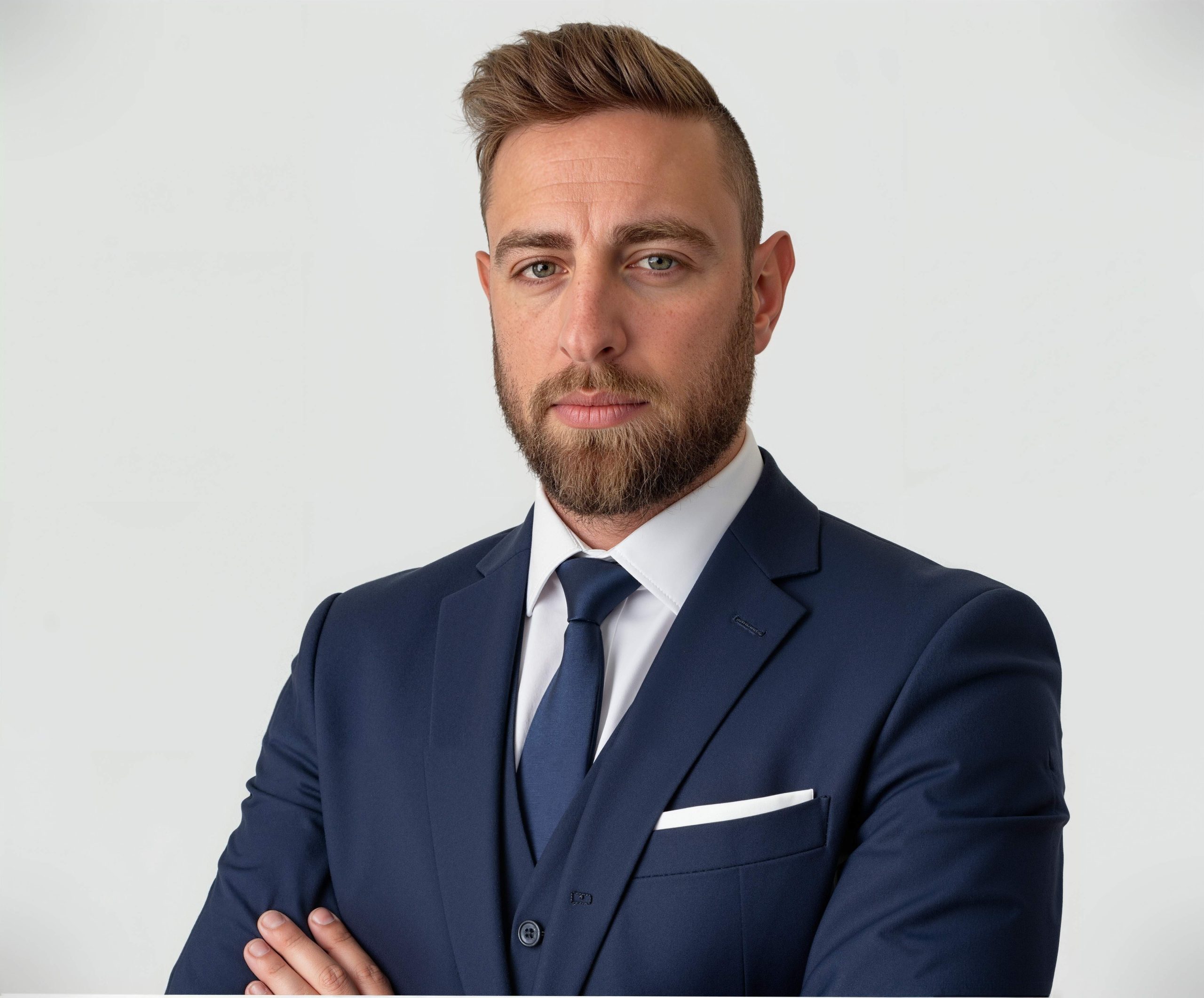
Call Now to schedule a Free Consultation with Richard Hochhauser
Call or text anytime.