
Long Island's Premier Criminal & DWI Defense Law Firm



NY Penal Law § 240.50: Falsely Reporting an Incident in the Third Degree
Falsely reporting an incident in the third degree, NY Penal Law § 240.50, is knowingly making a false report: telling police about a crime that did not happen, giving police false information about a real incident or who was involved, making a false emergency call, or making a false child abuse report. It is a class A misdemeanor. Richard Hochhauser of Hochhauser Criminal & DWI Defense, PLLC is a former Long Island prosecutor who defends these charges in Nassau County and Suffolk County courts.
Free Consultation
In person, by video call or phone call
On over 230 reviews
Former Prosecutor
Brings years of experience from both sides to every case.
Arrested or have a court date on Long Island?
Call or text (516) 939-1529 for a free consultation, in person at our Hempstead office, by video call or by phone call. We answer 24/7.
NY Penal Law § 240.50 at a glance
| Falsely reporting an incident in the third degree | |
|---|---|
| Statute | NY Penal Law § 240.50 |
| Charge level | Class A misdemeanor |
| Maximum jail term | Up to 364 days |
| Most common on Long Island | Subdivision 3: a false report to police |
| Key element | You knew the information was false or baseless |
What NY Penal Law § 240.50 says
A person is guilty of falsely reporting an incident in the third degree when, knowing the information reported, conveyed or circulated to be false or baseless, he or she:
1. Initiates or circulates a false report or warning of an alleged occurrence or impending occurrence of a crime, catastrophe or emergency under circumstances in which it is not unlikely that public alarm or inconvenience will result; or
2. Reports, by word or action, to an official or quasi-official agency or organization having the function of dealing with emergencies involving danger to life or property, an alleged occurrence or impending occurrence of a catastrophe or emergency which did not in fact occur or does not in fact exist; or
3. Gratuitously reports to a law enforcement officer or agency (a) the alleged occurrence of an offense or incident which did not in fact occur; or (b) an allegedly impending occurrence of an offense or incident which in fact is not about to occur; or (c) false information relating to an actual offense or incident or to the alleged implication of some person therein; or
4. Reports, by word or action, an alleged occurrence or condition of child abuse or maltreatment or abuse or neglect of a vulnerable person which did not in fact occur or exist to: (a) the statewide central register of child abuse and maltreatment [or the vulnerable persons’ central register], or (b) any person required to report cases of suspected child abuse or maltreatment [or abuse or neglect of a vulnerable person], knowing that the person is required to report such cases, and with the intent that such an alleged occurrence be reported to the statewide central register or vulnerable persons’ central register.
Falsely reporting an incident in the third degree is a class A misdemeanor.
Source: New York State Senate, official text. Read the full section, including any later amendments, before relying on it.
Bracketed text is our summary of references in the official statute.
What the prosecutor has to prove
- You reported, conveyed or circulated information.
- You knew it was false or baseless when you did so.
- The report was one of the kinds the statute covers, such as a false report to police under subdivision 3.
Penalties for falsely reporting an incident
| Outcome | What it means |
|---|---|
| Jail | Up to 364 days (class A misdemeanor). |
| Probation | Up to 3 years of probation. |
| Restitution | Courts can order payment of the cost of the police or emergency response. |
| Reduced outcome | Many cases resolve with a non-criminal disposition, depending on the facts and your record. |
Accused of making a false report?
Call before your next court date. Consultations are free, in person at our Hempstead office or by video call or phone call. We answer 24/7.
How falsely reporting an incident charges show up on Long Island
In the cases we’ve seen over the last two years, PL 240.50 charges come up in both Nassau County and Suffolk County.
Most were charged under subdivision 3, a report to police about an incident that did not happen or false information about a real incident. These charges often arise when a domestic complaint is later recanted, or after a reported stolen car or theft turns out to be something else.
In Nassau County, arrests are arraigned at the Nassau County District Court, 99 Main Street, Hempstead, NY 11550, across the street from our office. Felony cases that are indicted move to Nassau County Court, 262 Old Country Road, Mineola, NY 11501. In Suffolk County, arraignments are held at the Suffolk County District Court, First District, 400 Carleton Avenue, Central Islip, NY 11722. Indicted felony cases go to Suffolk County Court, Arthur M. Cromarty Criminal Court Complex, 210 Center Drive, Riverhead, NY 11901.
An example
After a breakup, a person tells police her former partner damaged her car. Video later shows a different car hit it in a parking lot. She is charged with PL 240.50(3)(a). The defense focuses on what she actually believed when she made the report: a mistaken belief is not a crime.
Defenses to a PL 240.50 charge
- Honest mistake. The statute requires knowing the report was false; a sincere but mistaken report is not a crime.
- The report was true. A recantation does not prove the original report was false.
- Not “gratuitous.” Subdivision 3 requires a voluntary report, not answers to police questioning.
- Context. In domestic cases, pressure to recant can be the real story.
Related offenses
- Obstructing governmental administration (PL 195.05)
- False personation (PL 190.23)
- Tampering with physical evidence (PL 215.40)
- Long Island criminal defense lawyer
NY Penal Law § 240.50: frequently asked questions
Is making a false police report a crime in New York?
Yes. Knowingly reporting a crime that did not happen, or giving police false information about an incident, is falsely reporting an incident in the third degree under Penal Law 240.50(3), a class A misdemeanor.
What if I was mistaken, not lying?
The statute requires that you knew the information was false or baseless. An honest mistake is not a crime.
Can recanting a domestic violence complaint lead to a false report charge?
It can, but a recantation alone does not prove the original report was false. Recantations are often driven by pressure, and prosecutors know it.
Can a false report charge be dismissed?
Many are resolved with non-criminal outcomes, depending on the facts and your record.
How much does a lawyer cost for this charge?
Hochhauser Criminal & DWI Defense, PLLC charges a flat fee, quoted after your free consultation, so you know the cost up front.
Talk to a former prosecutor today
Free consultation in person, by video call or by phone call. We answer 24/7.
This is general information about New York law, not legal advice about your case. Laws change, and the right defense depends on the facts. Prior results do not guarantee a similar outcome.
Our Offices


Garden City Office
1225 Franklin Ave #325
Garden City, NY 11530
Phone: (516) 939-1529
Appointments Only
See What Our Clients Are Saying
During what was one of the scariest times of my life, he gave me all of the knowledge and support possible to help me get through it. Not only did I end up getting a great outcome for my case, but Richard helped make it a very smooth process and was always there when I had...

Mr. Hochausser worked hard on my behalf.. so hard that he achieved what seemed impossible. He always communicated with me honestly and earnestly, which is rare in any profession these days. He was prepared and forthright every step of the way. I hope to never need his services...
Best Criminal Attorney in New York. Richard explains each detail slowly and carefully so it’s easily understood. He handles each case as if it’s the most important. Highly recommend!
Best DWI lawyer in New York!
Mr. Hochhauser was incredible. I was consulted immediately after the first call. Richard was easy to keep in touch with and would answer all of my emails, phone calls, and even texts regarding my concerns. Guided me through the whole process, made sure I understood everything...
Richard explained the matters of my case thoroughly and was professional and effective in dealing with the charges I was facing, ultimately getting the docket dismissed in its entirety. I would highly recommend procuring his services.
Was in a bad spot but Richard Hochhauser got me great results on my DWI case in Nassau County. Highly Recommend!!!
Can't thank Richard enough. He went aobve and beyond for me. Never had any issues with the law before and he made sure I had no record. Great Criminal Attorney!!!
Was never really in trouble before. And just googled best criminal attorney near me. Feel so lucky that Richard was the one I called. He really fought for me was very knowledgeable. Highly recommend!!
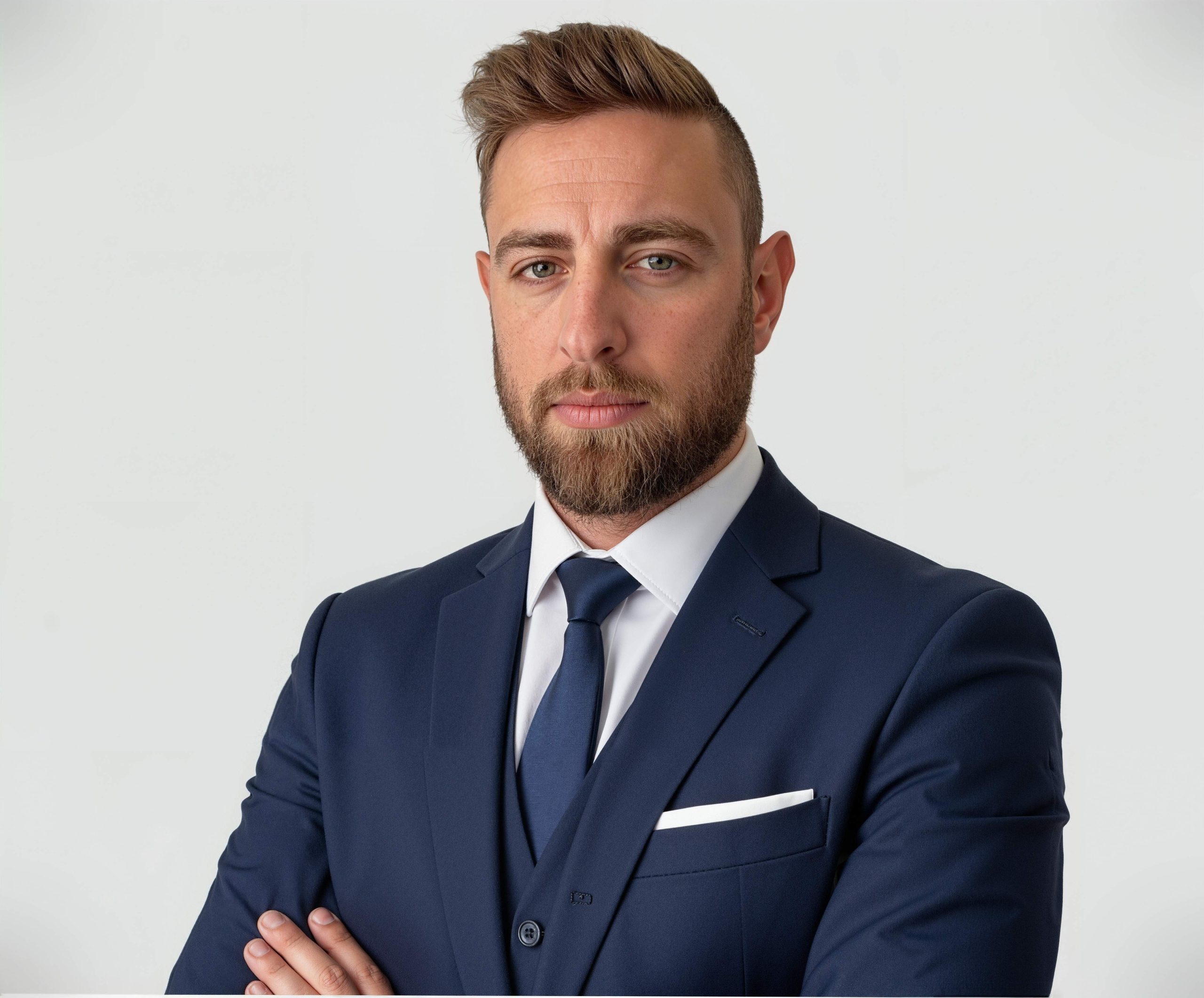
Call Now to schedule a Free Consultation with Richard Hochhauser
Call or text anytime.