
Long Island's Premier Criminal & DWI Defense Law Firm

New York DWI License Deadline Checker
After a DWI arrest in New York, your license can be suspended at your very first court date, before anyone has proven anything. If you refused a chemical test, the DMV must hold a refusal hearing within 15 days. Answer four questions to see the dates that apply to you.
What this is not. This is general information about New York law, not legal advice or a prediction. It can’t see your video, your paperwork or the breath instrument’s records, and those decide cases. Nothing you enter is sent anywhere; it stays in your browser.
How license suspensions work after a New York DWI arrest
| Situation | What happens to your license |
|---|---|
| Test result of 0.08 or higher | Suspended at arraignment, pending prosecution. A hardship privilege may be requested, and a conditional license may be available after 30 days. |
| Chemical test refusal | Temporarily suspended at arraignment. DMV refusal hearing within 15 days; a refusal finding means at least a 1-year revocation and a $500 civil penalty. |
| Result under 0.08, or drugs only | Usually no suspension at arraignment, but the charge can still lead to a suspension or revocation if you are convicted. |
License deadlines: frequently asked questions
Is my license suspended right after a DWI arrest in New York?
If your test showed 0.08 or higher, the judge suspends it at your arraignment, pending prosecution. If you refused, it is temporarily suspended at arraignment until the DMV refusal hearing.
What is a hardship privilege?
A limited right to drive, granted by the judge at arraignment when a suspension would cause extreme hardship, such as no other way to get to work or medical treatment. You must prove the hardship with evidence.
When can I get a conditional license?
If your license was suspended pending prosecution, the DMV may issue a conditional license 30 days after the suspension starts, if you are eligible. A recent prior alcohol-related matter can make you ineligible.
What happens at a DMV refusal hearing?
An administrative law judge decides whether the officer had reasonable cause, made a lawful arrest, clearly warned you about the consequences of refusing, and whether you refused. It must generally be held within 15 days of arraignment.
Talk to a former DWI prosecutor
Call or text (516) 939-1529, 24/7. The first consultation is free, in person, by video call or by phone call.
These tools are not a lawyer. We work to keep the numbers and the law on these pages accurate and up to date, but laws, fines and DMV rules change, and some information here may be incorrect or out of date. The results are general information, not legal advice, and using these tools does not create an attorney-client relationship. Always contact a lawyer to confirm the answers and how the law applies to your case. Call or text (516) 939-1529, 24/7.
Our Offices


Garden City Office
1225 Franklin Ave #325
Garden City, NY 11530
Phone: (516) 939-1529
Appointments Only
See What Our Clients Are Saying
During what was one of the scariest times of my life, he gave me all of the knowledge and support possible to help me get through it. Not only did I end up getting a great outcome for my case, but Richard helped make it a very smooth process and was always there when I had...

Mr. Hochausser worked hard on my behalf.. so hard that he achieved what seemed impossible. He always communicated with me honestly and earnestly, which is rare in any profession these days. He was prepared and forthright every step of the way. I hope to never need his services...
Best Criminal Attorney in New York. Richard explains each detail slowly and carefully so it’s easily understood. He handles each case as if it’s the most important. Highly recommend!
Best DWI lawyer in New York!
Mr. Hochhauser was incredible. I was consulted immediately after the first call. Richard was easy to keep in touch with and would answer all of my emails, phone calls, and even texts regarding my concerns. Guided me through the whole process, made sure I understood everything...
Richard explained the matters of my case thoroughly and was professional and effective in dealing with the charges I was facing, ultimately getting the docket dismissed in its entirety. I would highly recommend procuring his services.
Was in a bad spot but Richard Hochhauser got me great results on my DWI case in Nassau County. Highly Recommend!!!
Can't thank Richard enough. He went aobve and beyond for me. Never had any issues with the law before and he made sure I had no record. Great Criminal Attorney!!!
Was never really in trouble before. And just googled best criminal attorney near me. Feel so lucky that Richard was the one I called. He really fought for me was very knowledgeable. Highly recommend!!
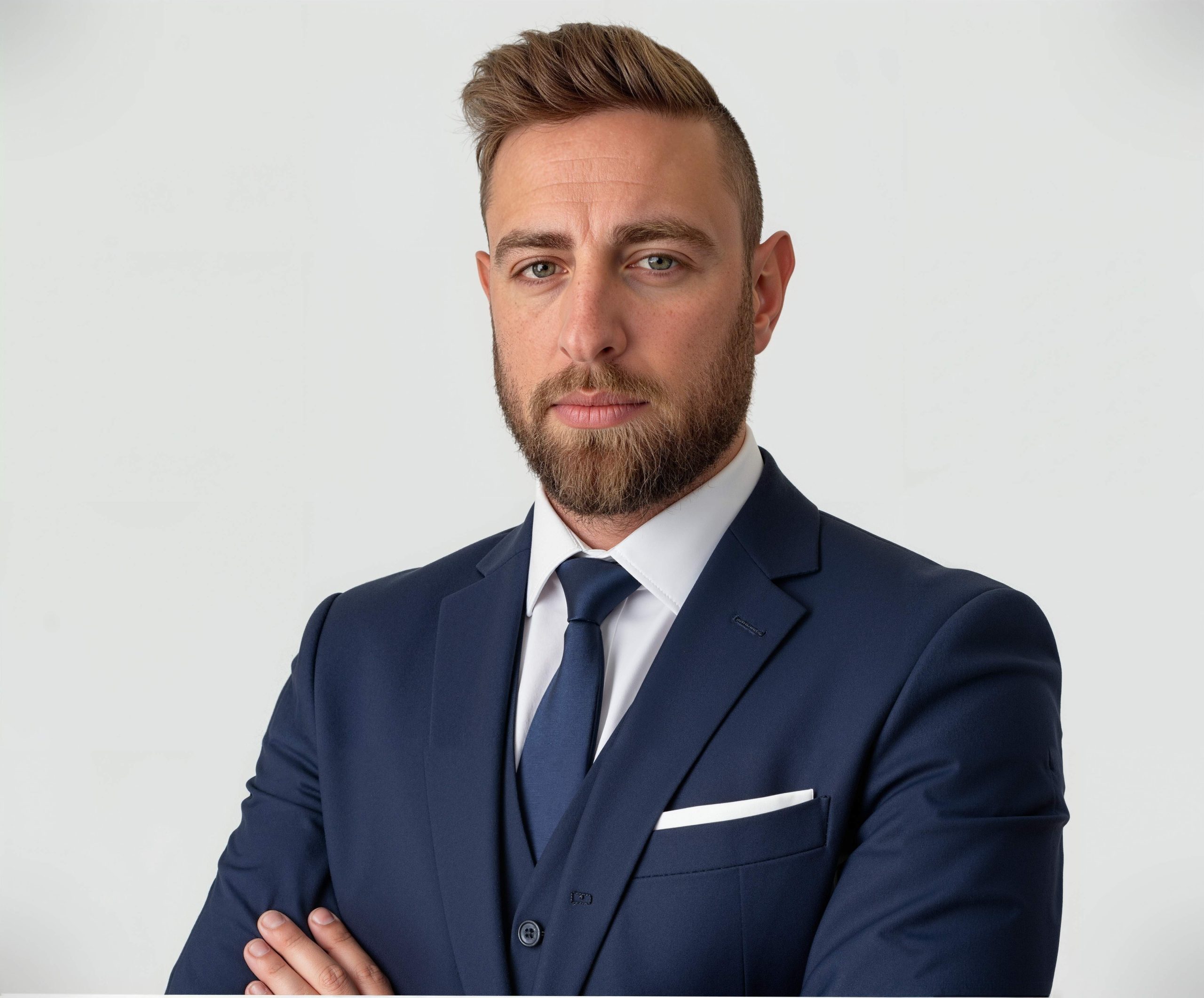
Call Now to schedule a Free Consultation with Richard Hochhauser
Call or text anytime.