
Long Island's Premier Criminal & DWI Defense Law Firm

Long Island DWI Lawyer (VTL 1192)
If you were arrested for DWI anywhere on Long Island, your case will start in one of two places. Nassau County cases go to the First District Court at 99 Main Street in Hempstead. Suffolk County cases go to the First District Court in Central Islip or an East End town court. Richard Hochhauser of Hochhauser Criminal & DWI Defense, PLLC is a former Long Island prosecutor who served in a unit that handled only DWI and drugged-driving cases. Now he defends drivers charged with DWI, DWAI and chemical test refusal in both counties.
Free Consultation
In person, by video call or phone call
On over 230 reviews
Former Prosecutor
Brings years of experience from both sides to every case.
Arrested for DWI on Long Island?
Call before your arraignment or DMV hearing. We answer 24/7, and the first consultation is free, in person, by video call or by phone call.
Where your Long Island DWI case will be heard
Hempstead
Nassau County District Court
Misdemeanor DWI, DWAI and refusal cases from across Nassau County. First District Court, 99 Main Street, Hempstead.
Mineola
Nassau County Court
Felony DWI cases, such as a second DWI within 10 years or a Leandra’s Law charge, are prosecuted in County Court in Mineola.
Central Islip & East End
Suffolk County courts
Western Suffolk cases go to the First District Court in Central Islip. East End cases go to town and village justice courts.
DWI charges we defend
First-offense DWI
What a first DWI means for your license, record and job, and how it can be reduced.
Aggravated DWI
A BAC of 0.18% or higher brings higher fines and a longer license revocation.
Chemical test refusal
Refusing a breath or blood test triggers a separate DMV hearing and a 1-year revocation.
Felony DWI
A second DWI within 10 years, or a third, is a felony with possible state prison time.
Vehicular assault & manslaughter
A DWI crash that causes serious injury or death is charged as a felony, with possible state prison.
DWAI-Drugs & combined
Impairment from prescription, legal or illegal drugs, alone or with alcohol.
Leandra’s Law
DWI with a child 15 or younger in the car is a felony, even on a first offense.
Ignition interlock violations
Charges for driving without, or tampering with, a required interlock device.
What happens after a DWI arrest on Long Island
- Arrest and chemical test. After the arrest, you’re asked to take a breath or blood test. Nassau County Police, Suffolk County Police, village police and New York State Police all make DWI arrests on Long Island.
- Arraignment. Usually the next day. If your test showed 0.08% or higher, or you refused, the judge generally suspends your license at this appearance.
- DMV refusal hearing (if you refused). A separate hearing, usually within about 15 days, decides whether your license is revoked for the refusal.
- Discovery and motions. We get the video, breath-test records and police paperwork, and challenge the stop, the tests and anything the police said or did wrong.
- Negotiation or trial. Most cases resolve by dismissal, a reduction to DWAI or a plea. Some go to hearing or trial.
Nassau County can go after your car. After a DWI arrest, Nassau County can try to seize the vehicle you were driving through a separate civil process with its own deadlines. Tell us about the car on your first call.
DWI penalties in New York
Nassau and Suffolk both apply New York State law under Vehicle and Traffic Law §1192. These are the ranges for a first offense:
| Charge | Level | Fine | Jail (max) | License |
|---|---|---|---|---|
| DWAI (alcohol): BAC over 0.05, under 0.08 | Traffic infraction | $300–$500 | 15 days | 90-day suspension |
| DWI: BAC 0.08+ or intoxicated | Misdemeanor | $500–$1,000 | 1 year | Revoked at least 6 months |
| Aggravated DWI: BAC 0.18+ | Misdemeanor | $1,000–$2,500 | 1 year | Revoked at least 1 year |
| DWAI-Drugs or combined drugs and alcohol | Misdemeanor | $500–$1,000 | 1 year | Suspended at least 6 months |
| DWI with a child 15 or younger in the car (Leandra’s Law) | Class E felony | $1,000–$5,000 | 4 years | Revoked |
A second DWI within 10 years is a class E felony (up to 4 years). A third is a class D felony (up to 7 years). Any DWI conviction also requires an ignition interlock device, and the DMV adds a Driver Responsibility Assessment of $250 a year for 3 years, on top of court surcharges.
Can I still drive?
Hardship license
If your license is suspended at arraignment, you can ask the judge for a hardship privilege to drive to work, school or medical care. You have to prove extreme hardship, so this needs to be prepared before or right at arraignment.
Conditional license
After arraignment or after a conviction, many first-time drivers qualify for a conditional license by enrolling in the DMV’s Impaired Driver Program.
Refusal cases
Refusing the chemical test brings a separate civil revocation of at least 1 year and a $500 civil penalty for a first refusal.
How a former DWI prosecutor defends your case
As a prosecutor, Richard was trained alongside police on the tests used to build DWI cases: Standardized Field Sobriety Tests, breath-testing instruments, and how officers write up and testify about arrests. He knows where those cases are weakest:
The stop
Did the officer have a lawful reason to pull you over or approach your car? If not, the evidence that followed can be suppressed.
Field sobriety tests
Were they given and scored the way the standard training requires, on a safe, level surface, with medical conditions accounted for?
Breath and blood tests
Was the instrument calibrated and maintained, was the required observation period followed, and was the test given within two hours of arrest?
Your statements
Were you questioned in custody without Miranda warnings? Statements taken improperly can be kept out of the case.
Video
Dash-camera, body-camera and precinct video often contradict what’s written in the police report.
Deadlines
New York’s discovery and speedy-trial rules put deadlines on the prosecution, and missed deadlines can end a case.
Recent Long Island DWI results
Dismissed
DWI, BAC 0.23, hit a parked car
2025. Despite a high BAC and an accident, the DWI charge was dismissed.
Dismissed
DWI: prosecution missed its deadlines
2025. We held the prosecution to its discovery obligations, including late supporting depositions. When it missed New York’s speedy-trial deadline, the case was dismissed.
DWI dismissed · Reduced to a traffic ticket
Breath-test refusal, blood test taken later
2026. Our review of the discovery found problems with how police questioned the client before the test. The DWI charge was resolved with a plea to failure to maintain a lane, a traffic infraction.
DWI dismissed · Reduced to DWAI
DWI, BAC 0.15, stopped by State Police
Nassau County District Court, 2026. We got the client a hardship license at arraignment. After he completed treatment, the case ended with a plea to Driving While Ability Impaired, a traffic infraction.
DWI dismissed · Reduced to DWAI
DWI with a chemical test refusal
Nassau County District Court (Hempstead), 2026. After community service and the Impaired Driver Program, the client re-pled to Driving While Ability Impaired with a conditional discharge.
No probation
DWI, BAC 0.18, crash into a guardrail
Nassau County District Court, 2026. The prosecution wanted 3 years of probation. After the client completed treatment, the case ended with a conditional discharge and community service instead.
More results: Suffolk County DWI results.
Prior results do not guarantee a similar outcome.
Long Island DWI: frequently asked questions
Will I go to jail for a first DWI on Long Island?
A first DWI is a misdemeanor with a maximum of 1 year in jail. What actually happens depends on your BAC, your record, and whether there was an accident or anyone was hurt. Many first-offense cases can be resolved with a reduction to DWAI or a conditional discharge.
Will I lose my license right away?
If your chemical test showed 0.08% or higher, or you refused, the judge will generally suspend your license at arraignment. You may be able to get a hardship license right away, or a conditional license later.
What’s the difference between DWI and DWAI?
DWI means a BAC of 0.08% or higher, or being intoxicated. It’s a criminal misdemeanor. DWAI (alcohol) means your ability to drive was impaired to any extent. A first DWAI is a traffic infraction, not a crime, which is why a reduction to DWAI is a common goal.
Can Nassau County take my car after a DWI arrest?
Nassau County can try to seize the vehicle you were driving through a separate civil process with its own deadlines. Tell us about the car at your first consultation so we can respond on time.
Do I have to go to every court date?
Not always. For many DWI cases, the court will let your lawyer appear for routine dates. You’ll still need to be there for some dates, such as arraignment, pleas and sentencing.
How much does a Long Island DWI lawyer cost?
It depends on the charge and whether the case goes to hearings or trial. Hochhauser Criminal & DWI Defense, PLLC charges a flat fee, quoted after your free consultation. See our guide to what a DWI lawyer costs in New York.
Charged with DWI on Long Island?
Talk to a former DWI prosecutor before your next court date. Free consultation, 24/7.
Our Offices


Garden City Office
1225 Franklin Ave #325
Garden City, NY 11530
Phone: (516) 939-1529
Appointments Only
See What Our Clients Are Saying
During what was one of the scariest times of my life, he gave me all of the knowledge and support possible to help me get through it. Not only did I end up getting a great outcome for my case, but Richard helped make it a very smooth process and was always there when I had...

Mr. Hochausser worked hard on my behalf.. so hard that he achieved what seemed impossible. He always communicated with me honestly and earnestly, which is rare in any profession these days. He was prepared and forthright every step of the way. I hope to never need his services...
Best Criminal Attorney in New York. Richard explains each detail slowly and carefully so it’s easily understood. He handles each case as if it’s the most important. Highly recommend!
Best DWI lawyer in New York!
Mr. Hochhauser was incredible. I was consulted immediately after the first call. Richard was easy to keep in touch with and would answer all of my emails, phone calls, and even texts regarding my concerns. Guided me through the whole process, made sure I understood everything...
Richard explained the matters of my case thoroughly and was professional and effective in dealing with the charges I was facing, ultimately getting the docket dismissed in its entirety. I would highly recommend procuring his services.
Was in a bad spot but Richard Hochhauser got me great results on my DWI case in Nassau County. Highly Recommend!!!
Can't thank Richard enough. He went aobve and beyond for me. Never had any issues with the law before and he made sure I had no record. Great Criminal Attorney!!!
Was never really in trouble before. And just googled best criminal attorney near me. Feel so lucky that Richard was the one I called. He really fought for me was very knowledgeable. Highly recommend!!
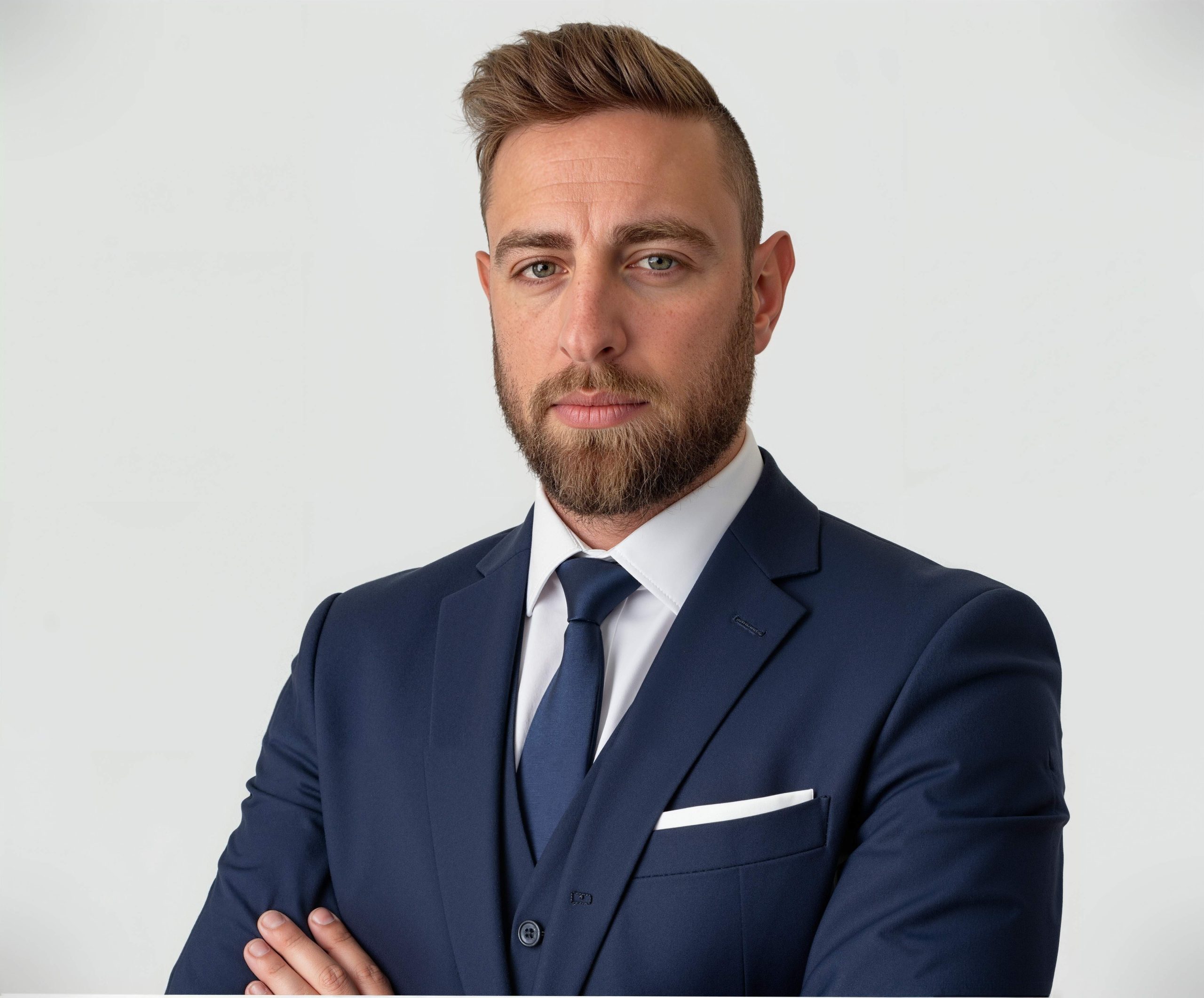
Call Now to schedule a Free Consultation with Richard Hochhauser
Call or text anytime.