
Long Island's Premier Criminal & DWI Defense Law Firm



NY Penal Law § 220.21: Criminal Possession of a Controlled Substance in the First Degree
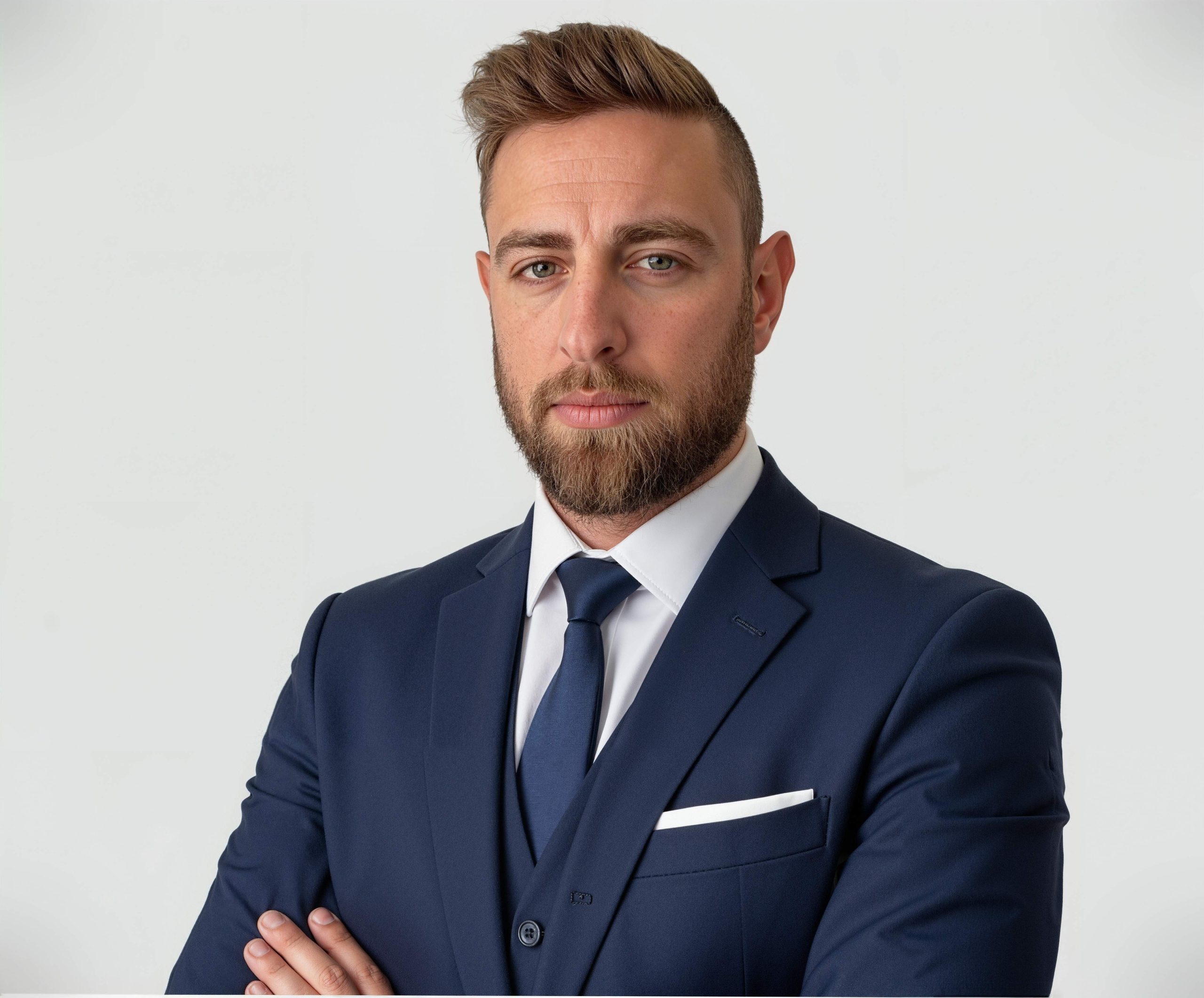
Criminal possession of a controlled substance in the first degree, NY Penal Law § 220.21, is the most serious drug possession charge in New York. It means possessing eight ounces or more of a substance containing a narcotic drug, such as cocaine, heroin or fentanyl, or 5,760 milligrams or more of methadone. It is a class A-I felony. Richard Hochhauser of Hochhauser Criminal & DWI Defense, PLLC is a former Long Island prosecutor who defends major drug cases in Nassau County and Suffolk County courts.
Free Consultation
In person, by video call or phone call
On over 230 reviews
Former Prosecutor
Brings years of experience from both sides to every case.
Arrested or have a court date on Long Island?
Call or text (516) 939-1529 for a free consultation, in person at our Hempstead office, by video call or by phone call. We answer 24/7.
NY Penal Law § 220.21 at a glance
| Criminal possession of a controlled substance in the first degree | |
|---|---|
| Statute | NY Penal Law § 220.21 |
| Charge level | Class A-I drug felony |
| First-offense prison range | 8 to 20 years (determinate) |
| Threshold | 8 ounces or more of a substance containing a narcotic drug |
| Next lower charge | Criminal possession of a controlled substance in the second degree (PL 220.18), 4 ounces or more |
What NY Penal Law § 220.21 says
A person is guilty of criminal possession of a controlled substance in the first degree when he or she knowingly and unlawfully possesses:
1. one or more preparations, compounds, mixtures or substances containing a narcotic drug and said preparations, compounds, mixtures or substances are of an aggregate weight of eight ounces or more; or
2. methadone and said methadone weighs five thousand seven hundred sixty milligrams or more.
Criminal possession of a controlled substance in the first degree is a class A-I felony.
Source: New York State Senate, official text. Read the full section, including any later amendments, before relying on it.
What the prosecutor has to prove
- You possessed the substance, on you or within your control.
- You knew you possessed it and knew what it was.
- The possession was unlawful.
- The aggregate weight was eight ounces or more of a substance containing a narcotic drug (or the methadone threshold), as determined by a lab.
Penalties for first-degree drug possession
| Outcome | What it means |
|---|---|
| Prison (first offense) | For a first felony drug offense, a determinate term of 8 to 20 years, plus post-release supervision. |
| Probation | Unlike class A-II drug felonies, lifetime probation is not an available sentence for a class A-I conviction. |
| Pleas | Many cases resolve with pleas to lower-degree drug felonies, which can make far shorter sentences and treatment options available. |
| Other consequences | Asset forfeiture and severe immigration consequences. |
Facing an A-I drug felony?
Call before your next court date. Consultations are free, in person at our Hempstead office or by video call or phone call. We answer 24/7.
How first-degree drug possession charges show up on Long Island
In the cases we’ve seen over the last two years, PL 220.21 charges come up somewhat more often in Suffolk County, and almost always under subdivision 1, eight ounces or more of a substance containing a narcotic drug.
These cases usually follow a long-term investigation, a search warrant, a car stop on a major highway, or a package interception, and they often come with Felony drug possession and sale (PL 220.16, 220.39) charges.
In Nassau County, arrests are arraigned at the Nassau County District Court, 99 Main Street, Hempstead, NY 11550, across the street from our office. Felony cases that are indicted move to Nassau County Court, 262 Old Country Road, Mineola, NY 11501. In Suffolk County, arraignments are held at the Suffolk County District Court, First District, 400 Carleton Avenue, Central Islip, NY 11722. Indicted felony cases go to Suffolk County Court, Arthur M. Cromarty Criminal Court Complex, 210 Center Drive, Riverhead, NY 11901.
An example
Police stop a car on the Long Island Expressway and find a package in the trunk containing about nine ounces of a substance that tests positive for cocaine. The charge is PL 220.21(1). The defense challenges the stop and the search, who knew the package was in the car, and the lab’s aggregate weight.
Defenses to a PL 220.21 charge
- The stop, warrant or search. Suppression of the drugs usually ends the case.
- Knowledge and possession. Drugs hidden in a car or a shared home are not automatically yours.
- Weight. The eight-ounce line is measured by the lab, and small differences change the degree.
- Informants and wiretaps. Investigations that rely on them can be challenged.
Related offenses
- Criminal possession of a controlled substance in the second degree (PL 220.18)
- Criminal possession of a controlled substance in the fourth degree (PL 220.09)
- Criminal sale of a controlled substance in the second degree (PL 220.41)
- Long Island drug possession defense
NY Penal Law § 220.21: frequently asked questions
What is criminal possession of a controlled substance in the first degree?
Under Penal Law 220.21, it is knowingly and unlawfully possessing eight ounces or more of a substance containing a narcotic drug, or 5,760 milligrams or more of methadone. It is a class A-I felony.
What is the sentence for CPCS 1st degree?
For a first felony drug offense, a class A-I conviction carries a determinate prison term of 8 to 20 years. Lifetime probation is not available for an A-I felony.
Can an A-I drug charge be reduced?
Yes. Many cases resolve with pleas to lower-degree drug felonies, depending on the strength of the evidence, the legality of the search and the weight.
Is the weight of the packaging counted?
No. The aggregate weight of the substance itself is measured by the lab.
How much does a lawyer cost for this charge?
Hochhauser Criminal & DWI Defense, PLLC charges a flat fee, quoted after your free consultation, so you know the cost up front.
Talk to a former prosecutor today
Free consultation in person, by video call or by phone call. We answer 24/7.
This is general information about New York law, not legal advice about your case. Laws change, and the right defense depends on the facts. Prior results do not guarantee a similar outcome.
Our Offices


Garden City Office
1225 Franklin Ave #325
Garden City, NY 11530
Phone: (516) 939-1529
Appointments Only
See What Our Clients Are Saying
During what was one of the scariest times of my life, he gave me all of the knowledge and support possible to help me get through it. Not only did I end up getting a great outcome for my case, but Richard helped make it a very smooth process and was always there when I had...

Mr. Hochausser worked hard on my behalf.. so hard that he achieved what seemed impossible. He always communicated with me honestly and earnestly, which is rare in any profession these days. He was prepared and forthright every step of the way. I hope to never need his services...
Best Criminal Attorney in New York. Richard explains each detail slowly and carefully so it’s easily understood. He handles each case as if it’s the most important. Highly recommend!
Best DWI lawyer in New York!
Mr. Hochhauser was incredible. I was consulted immediately after the first call. Richard was easy to keep in touch with and would answer all of my emails, phone calls, and even texts regarding my concerns. Guided me through the whole process, made sure I understood everything...
Richard explained the matters of my case thoroughly and was professional and effective in dealing with the charges I was facing, ultimately getting the docket dismissed in its entirety. I would highly recommend procuring his services.
Was in a bad spot but Richard Hochhauser got me great results on my DWI case in Nassau County. Highly Recommend!!!
Can't thank Richard enough. He went aobve and beyond for me. Never had any issues with the law before and he made sure I had no record. Great Criminal Attorney!!!
Was never really in trouble before. And just googled best criminal attorney near me. Feel so lucky that Richard was the one I called. He really fought for me was very knowledgeable. Highly recommend!!
Call Now to schedule a Free Consultation with Richard Hochhauser
Call or text anytime.