

Long Island's Premier Criminal & DWI Defense Law Firm


PL 220.03: Criminal Possession of a Controlled Substance in the Seventh Degree
PL 220.03 is New York’s simple drug possession charge, and it is the most commonly filed drug crime in Nassau and Suffolk County District Court — roughly 1,170 cases a year. There is no weight threshold: a single pill or a trace in a fold of paper is the same charge as a full bag. If you have been charged, call Hochhauser Criminal & DWI Defense at 516-939-1529.
PL 220.03 penalties
| Penalty | Exposure |
|---|---|
| Classification | Class A misdemeanor |
| Jail | Up to 364 days |
| Probation | 2 or 3 years |
| Fine | Up to $1,000 |
| Surcharge and fees | $175 mandatory surcharge plus a $25 crime victim assistance fee |
| Criminal record | Permanent unless sealed |
Jail is uncommon on a first offense with no record. The realistic stakes are the drug conviction itself, which reaches employment, professional licensing, student aid and — for anyone who is not a citizen — immigration status, where a controlled substance conviction is among the most damaging categories in federal law.
Charged with drug possession on Long Island?
A first arrest very often does not have to end in a conviction. Call 516-939-1529 or request a free case review before your court date.
What the prosecution has to prove
Under PL 220.03, the People must show you knowingly and unlawfully possessed a controlled substance. Three things follow from that wording, and each is a place to push:
- Knowledge. You had to know the substance was there and know what it was. Drugs in a borrowed car, a shared apartment, a friend’s bag, or a jacket you did not buy are all genuinely contestable.
- Possession. It does not have to be in your pocket, but constructive possession requires dominion and control — not mere presence near contraband.
- A controlled substance. The People must prove the substance is actually scheduled, which means a lab report and an analyst the defense is entitled to confront.
Two exceptions written into the statute
PL 220.03 carries two carve-outs that many people never hear about:
- Residual amounts in a syringe or needle. A residue-only quantity in or on a hypodermic syringe or needle is excluded from the section.
- The Good Samaritan provision. Possession discovered as a result of seeking emergency health care for a drug or alcohol overdose — for yourself or for someone else — is excluded. New York wrote this into the law so that people would call 911 instead of running.
If either describes your case, say so at the first meeting. They are statutory, not discretionary.
How PL 220.03 cases usually resolve on Long Island
Most first-time possession cases in Nassau and Suffolk do not end in a drug conviction. The common paths:
- Adjournment in contemplation of dismissal. The case is adjourned and then dismissed and sealed if you stay out of trouble, sometimes with a short program attached.
- Reduction to a non-criminal violation such as disorderly conduct, which is not a crime in New York.
- Dismissal on a suppression motion where the stop or the search does not hold up.
- A treatment-based disposition where substance use is genuinely driving the conduct.
One point of correction worth making, because it appears wrongly on a lot of law firm sites: judicial diversion under CPL Article 216 does not apply to PL 220.03. That program is limited to felony drug charges. A misdemeanor possession case is resolved through the ordinary misdemeanor tools above, not through diversion.
Defenses to a PL 220.03 charge
- Suppression. This is the heart of most possession cases. Was there a lawful basis for the stop, the frisk, the car search, the bag search? New York’s rules on street encounters are demanding, and a hearing is where these cases are won.
- Constructive possession. Shared cars and shared homes. The People must tie the drugs to you specifically.
- Knowledge. You did not know it was there, or did not know what it was.
- The lab. Composition, weight, chain of custody, and your right to cross-examine the analyst who did the testing.
- The statutory exceptions above.
- Valid prescription for a controlled medication.
Where these cases are heard
| County | Court | Address |
|---|---|---|
| Nassau | Nassau County District Court | 99 Main Street, Hempstead, NY 11550 |
| Suffolk | Suffolk County First District Court | 400 Carleton Avenue, Central Islip, NY 11722 |
Simple possession is charged far more often in Suffolk than in Nassau, and the two District Attorney’s offices approach first-offense cases differently. We handle them in Nassau County and Suffolk County. For felony-level charges see our page on drug charges.
PL 220.03 frequently asked questions
Is PL 220.03 a felony?
No. It is a Class A misdemeanor. Possession with intent to sell, or possession above certain weights, moves into the felony sections of Article 220.
Does the amount matter?
Not to the charge. PL 220.03 has no weight threshold. Amount matters to how a prosecutor views the case, and it matters a great deal if the People try to argue intent to sell.
What if the drugs were not mine?
That is a real defense, not an excuse. The People must prove you knowingly possessed them, and in shared cars and shared apartments that proof is often thin.
Will this show up on a background check?
A conviction will. An ACD that results in dismissal and sealing will not, which is why the disposition matters more than the fine.
Recent results
Charge dismissed · Reduced to disorderly conduct
Drug possession, 70-year-old client
Nassau County District Court, February 24, 2026. After a 70-year-old client completed a treatment program, the drug charge was dismissed and the case resolved with a plea to disorderly conduct.
Dismissed & sealed
Drug possession, 7th degree
Nassau County District Court, November 7, 2025. After the client completed a 28-day rehabilitation program, the case ended in an ACD: dismissed and sealed.
Charge dismissed · Reduced to disorderly conduct
Unopened hallucinogen edibles in a car
Nassau County, September 19, 2025. Police found unopened chocolates containing hallucinogens in a car that belonged to the client’s stepfather. The drug charge was dismissed and the case resolved with a plea to a non-criminal violation.
More results: our successful cases.
Prior results do not guarantee a similar outcome.
Speak with a Long Island drug defense lawyer
Richard Hochhauser has defended possession cases in Nassau and Suffolk County District Court for years. In a first-offense PL 220.03 case the objective is almost always the same: no drug conviction on your record. Getting there usually means litigating the search rather than negotiating the plea.
Free consultation — 516-939-1529
Hochhauser Criminal & DWI Defense
164 Jackson Street, Hempstead, NY 11550
516-939-1529 · RH@Hochhauserlaw.com
This is general information about PL 220.03 in New York and is not legal advice. Every case turns on its own facts. Contacting our firm does not create an attorney-client relationship.
¿Habla español?
Lea esta página en español: Posesión de drogas (PL 220.03). Hablamos español — llame al 516-939-1529.
Our Offices


Garden City Office
1225 Franklin Ave #325
Garden City, NY 11530
Phone: (516) 939-1529
Appointments Only
See What Our Clients Are Saying
During what was one of the scariest times of my life, he gave me all of the knowledge and support possible to help me get through it. Not only did I end up getting a great outcome for my case, but Richard helped make it a very smooth process and was always there when I had...

Mr. Hochausser worked hard on my behalf.. so hard that he achieved what seemed impossible. He always communicated with me honestly and earnestly, which is rare in any profession these days. He was prepared and forthright every step of the way. I hope to never need his services...
Best Criminal Attorney in New York. Richard explains each detail slowly and carefully so it’s easily understood. He handles each case as if it’s the most important. Highly recommend!
Best DWI lawyer in New York!
Mr. Hochhauser was incredible. I was consulted immediately after the first call. Richard was easy to keep in touch with and would answer all of my emails, phone calls, and even texts regarding my concerns. Guided me through the whole process, made sure I understood everything...
Richard explained the matters of my case thoroughly and was professional and effective in dealing with the charges I was facing, ultimately getting the docket dismissed in its entirety. I would highly recommend procuring his services.
Was in a bad spot but Richard Hochhauser got me great results on my DWI case in Nassau County. Highly Recommend!!!
Can't thank Richard enough. He went aobve and beyond for me. Never had any issues with the law before and he made sure I had no record. Great Criminal Attorney!!!
Was never really in trouble before. And just googled best criminal attorney near me. Feel so lucky that Richard was the one I called. He really fought for me was very knowledgeable. Highly recommend!!
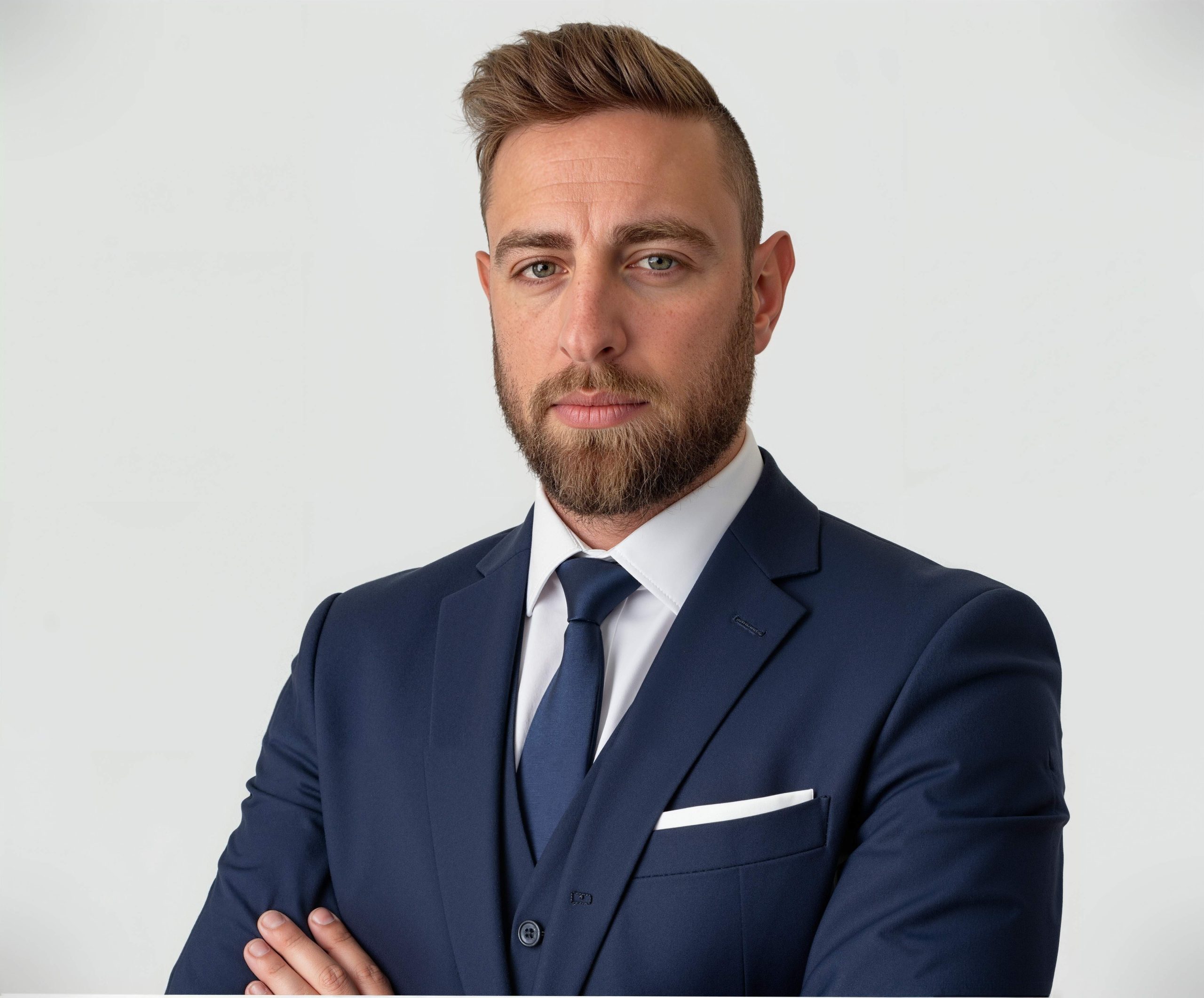
Call Now to schedule a Free Consultation with Richard Hochhauser
Call or text anytime.