



How Nassau County’s Criminal Court System is Different


Being arrested is a terrifying and confusing experience. That confusion is often amplified when you step into the complex New York court system. A common misconception is that “court is court.” This is dangerously false. The procedures, prosecutors, and plea-bargaining policies in Nassau County are fundamentally different from those in New York City’s five boroughs or even neighboring Suffolk County.
If you’ve been arrested in Nassau County, you aren’t just fighting a charge; you’re navigating a unique and localized system. At Hochhauser Criminal & DWI Defense, we are in the Nassau County courts every single day. We understand this system, its key players, and its unwritten rules.
Here’s what you need to know about how the Nassau County criminal court system is different.
The Basic Structure: It’s Not the NYC System
The most immediate difference is the structure. New York City’s system is consolidated into the NYC Criminal Court (for misdemeanors) and the NYC Supreme Court (for felonies), with a courthouse in each borough.
Nassau County operates independently. Its system is primarily split between two locations:
- Nassau County District Court (99 Main Street, Hempstead): This is the hub. This court is where all criminal cases in Nassau County begin, from minor violations and misdemeanors to the most serious felonies.
- Nassau County Court (262 Old Country Road, Mineola): This is where felony cases are handled after an indictment by a Grand Jury.
This centralization in Hempstead for all initial arraignments means that a single courthouse handles the volume of an entire county, leading to a fast-paced, and often overwhelming, environment.
The Biggest Differentiator: Nassau County’s Aggressive Stance on DWI
Nowhere is the “Nassau difference” more obvious than in its handling of Driving While Intoxicated (DWI) cases. To put it bluntly: Nassau County is notoriously one of the toughest counties in New York for a DWI charge.
Here’s why:
- Strict Plea-Bargaining Policies: The Nassau County District Attorney’s Office, currently led by DA Anne T. Donnelly, has very rigid policies that severely limit plea bargains for alcohol-related driving offenses. An offer that might be available in Queens or Suffolk is often off the table in Nassau.
- Specialized DWI Parts: The court has dedicated courtrooms (known as “parts”) and specialized prosecutors who only handle DWI cases. They are experts at prosecuting these charges and are not inclined to be lenient.
- No “Easy Way Out”: The chances of getting a DWI reduced to a simple traffic violation are extremely low. The system is designed to secure a criminal conviction.
For anyone facing a DWI, this is critical to understand. You cannot walk into 99 Main Street with a generic lawyer and expect a favorable outcome. You need an attorney who specifically focuses on Nassau County DWI defense and who knows the specific ADAs and judges who handle these cases.
Understanding the Process: From Hempstead to Mineola
The path your case takes is also unique to Nassau County.
1. Arraignment at 99 Main Street
Whether you’re charged with Petit Larceny (a misdemeanor) or Robbery (a felony), your first appearance will be at the arraignment part in the Hempstead District Court. Here, a judge will formally tell you the charges, set bail, and issue any orders of protection. This is a critical stage where having an experienced attorney can make the difference between being released or having bail set.
2. Misdemeanor Cases Stay in District Court
If you are charged with a misdemeanor (like most first-offense DWIs, Assault 3rd, or shoplifting), your case will remain at 99 Main Street. It will be assigned to a specific judge and courtroom for all future appearances, negotiations, and a potential trial.
3. Felony Cases Move to Mineola
If you are charged with a felony, your case starts in Hempstead for arraignment. It is then presented to a Grand Jury. If the Grand Jury votes to indict, your case is transferred “upstairs” to the Nassau County Court in Mineola. This is a different building, with different judges and more senior prosecutors. Navigating a felony criminal charge requires experience in both of these buildings.
Why You Need a Local Nassau County Lawyer
A lawyer from Brooklyn, Manhattan, or even Suffolk County may be an excellent attorney, but they are an outsider in the Nassau County system.
Success in this court requires more than just knowing the law. It requires:
- Knowing the People: We have daily working relationships with the Assistant District Attorneys (ADAs) in the DWI parts and misdemeanor rooms. We know their tendencies and what arguments work.
- Knowing the Policies: We know the DA’s specific, often unwritten, plea policies. We know what’s possible and what’s not, so we don’t waste time on unrealistic goals.
- Knowing the Judges: Every judge runs their courtroom differently. Understanding their individual preferences is crucial to presenting your case effectively.
Don’t face the unique challenges of the Nassau County court system alone. If you or a loved one has been arrested, you need a lawyer who calls 99 Main Street their home court.
Contact Hochhauser Criminal & DWI Defense today for a confidential consultation.
Our Offices


Garden City, NY 11530
See What Our Clients Are Saying
During what was one of the scariest times of my life, he gave me all of the knowledge and support possible to help me get through it. Not only did I end up getting a great outcome for my case, but Richard helped make it a very smooth process and was always there when I had...

Mr. Hochausser worked hard on my behalf.. so hard that he achieved what seemed impossible. He always communicated with me honestly and earnestly, which is rare in any profession these days. He was prepared and forthright every step of the way. I hope to never need his services...
Best Criminal Attorney in New York. Richard explains each detail slowly and carefully so it’s easily understood. He handles each case as if it’s the most important. Highly recommend!
Best DWI lawyer in New York!
Mr. Hochhauser was incredible. I was consulted immediately after the first call. Richard was easy to keep in touch with and would answer all of my emails, phone calls, and even texts regarding my concerns. Guided me through the whole process, made sure I understood everything...
Richard explained the matters of my case thoroughly and was professional and effective in dealing with the charges I was facing, ultimately getting the docket dismissed in its entirety. I would highly recommend procuring his services.
Was in a bad spot but Richard Hochhauser got me great results on my DWI case in Nassau County. Highly Recommend!!!
Can't thank Richard enough. He went aobve and beyond for me. Never had any issues with the law before and he made sure I had no record. Great Criminal Attorney!!!
Was never really in trouble before. And just googled best criminal attorney near me. Feel so lucky that Richard was the one I called. He really fought for me was very knowledgeable. Highly recommend!!
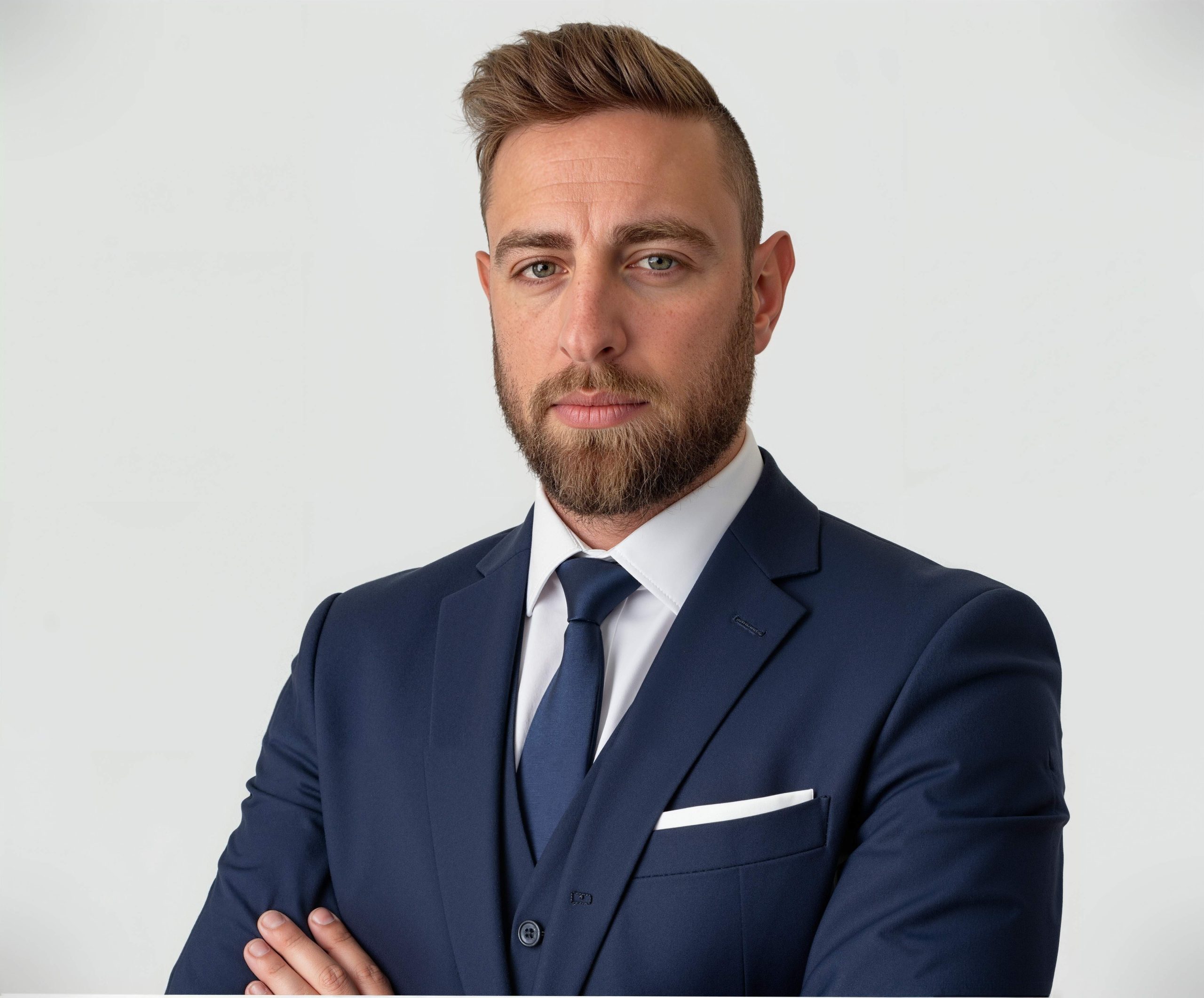
Call Now to schedule a Free Consultation with Richard Hochhauser
Call or text anytime.