
Long Island's Premier Criminal & DWI Defense Law Firm




PL 120.00: Assault in the Third Degree in New York
PL 120.00 is New York’s misdemeanor assault charge, and what separates it from a violent felony is not how the fight started but two words in the Penal Law: physical injury. Around 650 assault third cases a year move through Nassau and Suffolk County District Court. If you have been charged, call Hochhauser Criminal & DWI Defense at 516-939-1529.
PL 120.00 penalties
| Penalty | Exposure |
|---|---|
| Classification | Class A misdemeanor |
| Jail | Up to 364 days |
| Probation | 2 or 3 years |
| Fine | Up to $1,000 |
| Order of protection | Issued at arraignment in most cases |
| Criminal record | Permanent unless sealed |
The statute has two theories. PL 120.00(1) is intentionally causing physical injury. PL 120.00(2) is recklessly causing it — the People’s fallback when intent fails, and a meaningfully better place to land, because it concedes no purposeful violence.
Charged with assault on Long Island?
An order of protection may already bar you from your own home. Do not contact the complainant. Call 516-939-1529 or request a free case review.
Why “physical injury” decides everything
New York defines physical injury as impairment of physical condition or substantial pain. That sounds broad, and prosecutors charge it broadly, but the Court of Appeals has put a real floor under it: petty slaps, shoves and kicks do not qualify. Where the complainant declined medical treatment, reported only brief soreness, and lost no work, the element is genuinely contestable — and if it fails, the assault charge fails with it.
That same definition is what separates this misdemeanor from a violent felony. Add a deadly weapon or a dangerous instrument to identical conduct and the charge becomes assault in the second degree, a Class D violent felony. A bar fight producing a split lip is a misdemeanor; the same fight with a bottle in hand is a violent felony.
And “dangerous instrument” is defined by use, not by the object. A shoe, a phone, a cup, a chair — any of them qualifies only if the way it was actually used made it readily capable of causing death or serious injury. That is the most attackable element in the ordinary assault second case.
Defenses to an assault charge
- Justification. The defense of choice in mutual-combat cases. Once it is raised, the People must disprove it beyond a reasonable doubt — the burden does not sit with you.
- No physical injury. No treatment, no records, no lost time, and a delayed complaint. Subpoena the EMS and hospital records early; they frequently say less than the accusatory instrument does.
- Intent. Contact during a scuffle over property, or accidental contact, negates the intentional theory.
- Who called first. In a mutual fight the complainant is often just whoever dialed 911 first. Cross-complaints and the sequence of calls matter.
- Motive to fabricate — pending custody, divorce, immigration or civil matters.
- Body-worn camera and scene video, which regularly contradict the written narrative.
Assault as a family offense
When the parties are married, formerly married, related, share a household, have a child in common, or are in an intimate relationship, assault is a family offense — and Family Court and the criminal courts have concurrent jurisdiction. The complainant can proceed in criminal court, in Family Court, or in both simultaneously.
Note how far “intimate relationship” reaches: cohabitation is not required, and dating relationships routinely qualify. Two proceedings from one incident means two orders of protection and statements in one case that can be used in the other. See our page on domestic violence charges for how the two tracks interact.
Where assault cases are heard on Long Island
| County | Court | Address |
|---|---|---|
| Nassau | Nassau County District Court | 99 Main Street, Hempstead, NY 11550 |
| Suffolk | Suffolk County First District Court | 400 Carleton Avenue, Central Islip, NY 11722 |
We defend assault cases throughout Nassau County and Suffolk County. For the general overview see assault charges.
PL 120.00 frequently asked questions
Is assault in the third degree a felony?
No. It is a Class A misdemeanor. It becomes a violent felony when a weapon or dangerous instrument is involved, when serious physical injury results, or when the complainant is a police officer or other protected worker.
The other person started it. Does that matter?
Yes. Justification is a complete defense, and once raised the prosecution has to disprove it beyond a reasonable doubt. Who threw the first punch is a real issue, not a detail.
What if the complainant does not want to press charges?
The decision belongs to the District Attorney, not the complainant. Cases do proceed without a cooperative witness, though it changes the People’s position considerably.
Can an assault charge be reduced to a violation?
Often, on a first offense — commonly to harassment in the second degree, which is a violation rather than a crime. That is the standard target in a defensible misdemeanor assault case.
Recent results
Charge dismissed · Reduced to a sealed violation
Assault, dispute with a former partner
Nassau County District Court, July 13, 2026. A law firm clerk was accused of choking a former partner during an argument in which she was kicking him. The assault charge was dismissed and the case resolved with a sealed plea to disorderly conduct.
Dismissed & sealed
Assault, argument with a spouse
Nassau County, June 25, 2026. A registered nurse accused of throwing knives during an argument with her husband, with family members on body camera, had the case end in an ACD: dismissed and sealed.
Dismissed
Assault in the third degree
Nassau County, April 28, 2026. The assault charge was dismissed in the interest of justice.
More results: our successful cases.
Prior results do not guarantee a similar outcome.
Speak with a Long Island assault defense lawyer
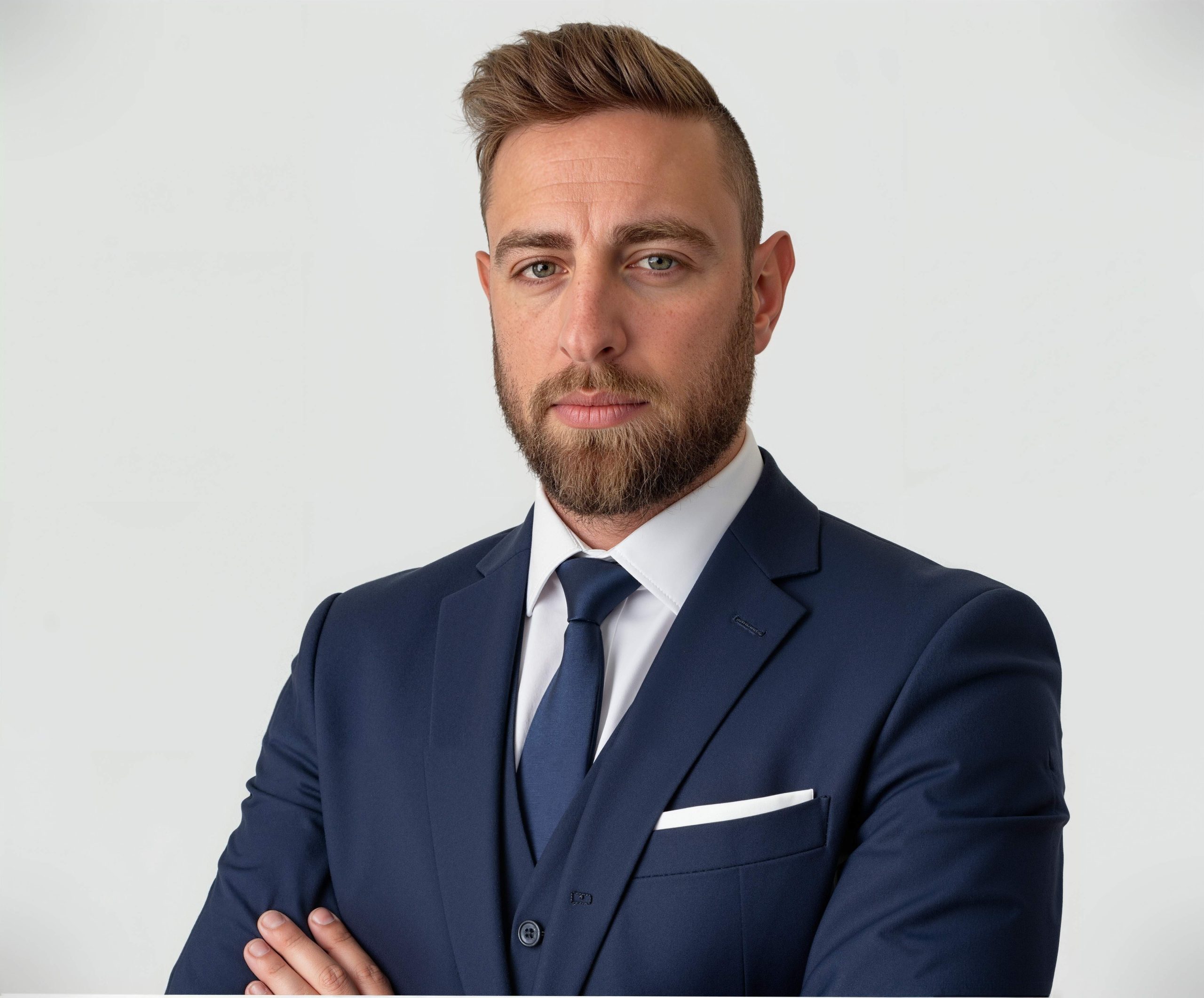
Richard Hochhauser has tried and negotiated assault cases in Nassau and Suffolk County District Court for years. Most of these cases come down to two questions — was there really an injury, and who was defending themselves — and both are answered with evidence, not with a plea at the first appearance.
Free consultation — 516-939-1529
Hochhauser Criminal & DWI Defense
164 Jackson Street, Hempstead, NY 11550
516-939-1529 · RH@Hochhauserlaw.com
This is general information about PL 120.00 assault in the third degree in New York and is not legal advice. Every case turns on its own facts. Contacting our firm does not create an attorney-client relationship.
Our Offices


Garden City Office
1225 Franklin Ave #325
Garden City, NY 11530
Phone: (516) 939-1529
Appointments Only
See What Our Clients Are Saying
During what was one of the scariest times of my life, he gave me all of the knowledge and support possible to help me get through it. Not only did I end up getting a great outcome for my case, but Richard helped make it a very smooth process and was always there when I had...

Mr. Hochausser worked hard on my behalf.. so hard that he achieved what seemed impossible. He always communicated with me honestly and earnestly, which is rare in any profession these days. He was prepared and forthright every step of the way. I hope to never need his services...
Best Criminal Attorney in New York. Richard explains each detail slowly and carefully so it’s easily understood. He handles each case as if it’s the most important. Highly recommend!
Best DWI lawyer in New York!
Mr. Hochhauser was incredible. I was consulted immediately after the first call. Richard was easy to keep in touch with and would answer all of my emails, phone calls, and even texts regarding my concerns. Guided me through the whole process, made sure I understood everything...
Richard explained the matters of my case thoroughly and was professional and effective in dealing with the charges I was facing, ultimately getting the docket dismissed in its entirety. I would highly recommend procuring his services.
Was in a bad spot but Richard Hochhauser got me great results on my DWI case in Nassau County. Highly Recommend!!!
Can't thank Richard enough. He went aobve and beyond for me. Never had any issues with the law before and he made sure I had no record. Great Criminal Attorney!!!
Was never really in trouble before. And just googled best criminal attorney near me. Feel so lucky that Richard was the one I called. He really fought for me was very knowledgeable. Highly recommend!!
Call Now to schedule a Free Consultation with Richard Hochhauser
Call or text anytime.