


Harassment Charges in New York: Degrees, Penalties and Defenses


Harassment in New York ranges from a non-criminal violation, harassment in the second degree, to a misdemeanor or felony. The charge depends on what was said or done, how often, and whether there were threats. Many harassment cases start with an argument, a breakup or text messages, and many can be resolved without a criminal record. Richard Hochhauser of Hochhauser Criminal & DWI Defense, PLLC defends harassment cases in Nassau and Suffolk County.
Free Consultation
In person, by video call or phone call
On over 230 reviews
Former Prosecutor
Brings years of experience from both sides to every case.
Charged with harassment on Long Island?
An order of protection is often issued at the first court date. Call now so we can be ready to argue it, and to work toward a dismissal.
Harassment charges in New York
| Charge | What it covers | Level and maximum |
|---|---|---|
| Harassment 2nd degree (PL 240.26) | Striking, shoving or kicking someone, or following them or repeatedly bothering them, with intent to harass, annoy or alarm | Violation: up to 15 days in jail and a $250 fine |
| Harassment 1st degree (PL 240.25) | Repeatedly following someone or engaging in conduct that puts them in reasonable fear of physical injury | Class B misdemeanor: up to 3 months |
| Aggravated harassment 2nd degree (PL 240.30) | Threats of physical harm or property damage by phone, text, email or other communication, among other conduct | Class A misdemeanor: up to 364 days |
| Aggravated harassment 1st degree (PL 240.31) | Damaging property or other acts motivated by race, religion or another protected characteristic | Class E felony: up to 4 years |
Harassment 2nd degree is a violation, not a crime, but it still means a court case, often an order of protection, and possible jail time. Related charges include stalking and criminal contempt for violating an order of protection.
Common examples
- Repeated calls, texts or social media messages after being told to stop
- Shoving or slapping someone during an argument
- Showing up at someone’s home or job repeatedly
- Threats made by text, phone or email
- Messages to an ex-partner during a breakup or custody dispute
Orders of protection
In most harassment cases involving family, household members or a former partner, the judge issues an order of protection at arraignment. A full order can bar all contact and keep you out of your own home. A limited order allows contact but prohibits harassment and threats. Violating either one is a new crime, even if the other person reached out first.
How we defend harassment charges
Intent
No intent to harass
The law requires intent to harass, annoy or alarm. An argument, a misunderstanding or a legitimate reason for contact is not harassment.
Free speech
Protected speech
Speech that is offensive or rude is often protected by the First Amendment unless it is a true threat.
Identity
Proof of who sent it
Messages from shared accounts, spoofed numbers or unknown sources must be tied to you.
Full picture
Context and credibility
Many cases come from breakups and custody disputes, where the full message history tells a different story.
How harassment cases usually end
- Dismissal
- An adjournment in contemplation of dismissal (ACD), often with an order of protection during the adjournment
- A reduction to harassment 2nd degree or disorderly conduct, non-criminal violations
Recent results
Charge dismissed · Reduced to disorderly conduct
Stalking and harassment, former partner
Nassau County First District Court, November 14, 2025. The case resolved with a plea to disorderly conduct, a violation, not a crime.
Charge dismissed · Reduced to harassment
Charges from a roadside fight
Suffolk County District Court, September 9, 2026. The prosecution offered a plea to the charge. The case resolved with a plea to harassment, a non-criminal violation.
Dismissed
Stalking and harassment, alleged following of an officer
2026. The stalking and harassment charges were dismissed.
More results: our successful cases.
Prior results do not guarantee a similar outcome.
Harassment: frequently asked questions
Is harassment a crime in New York?
Harassment in the 2nd degree is a violation, not a crime. Harassment in the 1st degree and aggravated harassment in the 2nd degree are misdemeanors, and aggravated harassment in the 1st degree is a felony.
Can I be charged with harassment for text messages?
Yes. Repeated unwanted messages can be harassment, and threats sent by text, phone or email can be aggravated harassment in the 2nd degree, a misdemeanor.
Does a harassment violation go on my record?
A harassment 2nd degree conviction is a non-criminal violation, and the record is generally sealed. A dismissal or ACD is sealed.
Can the other person drop the charges?
Not on their own. The District Attorney decides whether to prosecute, although the complaining witness’s wishes often matter.
What happens if I contact the person while there is an order of protection?
That can be criminal contempt, a new crime, even if they contacted you first. Talk to a lawyer about changing the order instead.
Talk to a former prosecutor today
Free consultation in person, by video call or by phone call. We answer 24/7. The earlier we start, the more options you have.
Our Offices


Garden City, NY 11530
See What Our Clients Are Saying
During what was one of the scariest times of my life, he gave me all of the knowledge and support possible to help me get through it. Not only did I end up getting a great outcome for my case, but Richard helped make it a very smooth process and was always there when I had...

Mr. Hochausser worked hard on my behalf.. so hard that he achieved what seemed impossible. He always communicated with me honestly and earnestly, which is rare in any profession these days. He was prepared and forthright every step of the way. I hope to never need his services...
Best Criminal Attorney in New York. Richard explains each detail slowly and carefully so it’s easily understood. He handles each case as if it’s the most important. Highly recommend!
Best DWI lawyer in New York!
Mr. Hochhauser was incredible. I was consulted immediately after the first call. Richard was easy to keep in touch with and would answer all of my emails, phone calls, and even texts regarding my concerns. Guided me through the whole process, made sure I understood everything...
Richard explained the matters of my case thoroughly and was professional and effective in dealing with the charges I was facing, ultimately getting the docket dismissed in its entirety. I would highly recommend procuring his services.
Was in a bad spot but Richard Hochhauser got me great results on my DWI case in Nassau County. Highly Recommend!!!
Can't thank Richard enough. He went aobve and beyond for me. Never had any issues with the law before and he made sure I had no record. Great Criminal Attorney!!!
Was never really in trouble before. And just googled best criminal attorney near me. Feel so lucky that Richard was the one I called. He really fought for me was very knowledgeable. Highly recommend!!
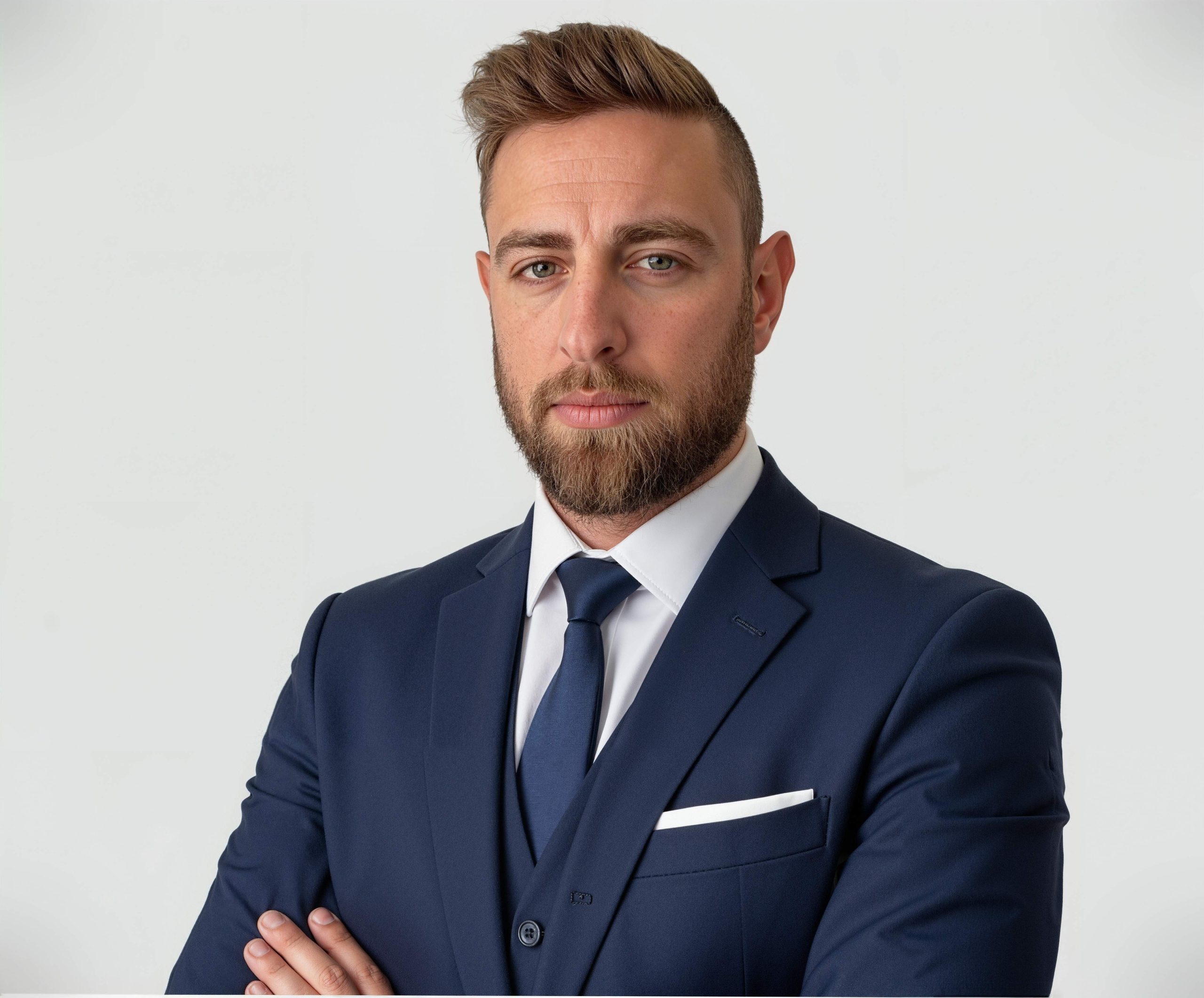
Call Now to schedule a Free Consultation with Richard Hochhauser
Call or text anytime.