




Facing a Grand Jury Indictment in Nassau County: What Felony Defendants Need to Know


If you’ve been arrested for a felony in Nassau County, the word “indictment” is about to become a central part of your life. In New York, virtually every felony case must go through a grand jury before it can proceed to trial. The grand jury is not the trial itself — it’s the gateway. It determines whether the prosecution has enough evidence to formally charge you with a felony and send your case to Nassau County Court in Mineola. Understanding how this process works, what your rights are, and the critical decisions you face can mean the difference between an indictment and a dismissal.
What Is a Grand Jury?
A grand jury is a panel of 23 citizens who are called to review evidence presented by the prosecution and determine whether there is sufficient legal basis to formally charge a person with a crime. In New York, the grand jury’s role is defined by CPL Article 190. The grand jury does not determine guilt or innocence. Its only job is to decide whether there is reasonable cause to believe that a crime was committed and that the defendant committed it. This is a far lower standard than “beyond a reasonable doubt,” which is the standard required at trial.
To return an indictment (also called a “true bill”), at least 12 of the 23 grand jurors must vote in favor. A quorum of at least 16 grand jurors must be present to conduct business. Grand jury proceedings are conducted in secret — there are no spectators, no media, and no judge in the room while evidence is being presented.
How the Grand Jury Process Works in Nassau County
As we’ve explained in our post on how Nassau County’s criminal court system is different, every felony case in Nassau County begins with an arraignment at the District Court at 99 Main Street in Hempstead. After arraignment, the case enters the grand jury pipeline. Here’s the timeline:
The 144-hour rule. If you are being held in custody (i.e., bail was set and you could not post it, or you were remanded), the prosecution must present your case to a grand jury within 144 hours (6 days) of your arraignment. If they fail to do so, you must be released on your own recognizance under CPL §180.80. This does not mean the case is dismissed — just that you cannot be held in jail while waiting for the grand jury. If you are out on bail or released on your own recognizance, there is no strict deadline, but the prosecution generally presents to the grand jury within a few weeks.
The DA presents evidence. The Nassau County District Attorney’s Grand Jury/Warrants Bureau coordinates all grand jury presentations. An assistant district attorney (ADA) presents the prosecution’s evidence to the grand jury, which typically includes testimony from police officers, civilian witnesses, forensic experts, and any physical or documentary evidence. The ADA also instructs the grand jurors on the relevant law.
No judge is present. Unlike a trial, there is no judge in the grand jury room during presentations. A judge is available to resolve legal questions if they arise, but the proceedings are run by the prosecutor. This means there is no neutral arbiter challenging the prosecution’s evidence or ensuring fairness in real time.
No defense attorney in the room (with limited exceptions). The defense attorney cannot be present during the prosecution’s presentation of evidence. However, if the defendant exercises the right to testify (discussed below), the defense attorney may accompany the defendant into the grand jury room — but only in an advisory capacity. The attorney cannot object to questions, argue to the grand jurors, or cross-examine witnesses.
The Grand Jury’s Three Options
After hearing the prosecution’s evidence (and the defendant’s testimony, if offered), the grand jury deliberates and can reach one of three outcomes:
Indictment (True Bill). At least 12 grand jurors vote that sufficient evidence exists to formally charge the defendant with one or more felony counts. The indictment is filed with the Nassau County Court in Mineola, and the case is transferred there for all future proceedings. This is the most common outcome — grand juries indict in the overwhelming majority of cases presented to them.
Dismissal. The grand jury determines that the evidence is insufficient and votes to dismiss the charges. This is the best possible outcome at the grand jury stage. A dismissal does not necessarily mean the case is over forever — the prosecution can re-present the case to a new grand jury in some circumstances — but it is a powerful result that significantly weakens the DA’s position.
Reduction to misdemeanor charges. The grand jury may determine that the evidence supports misdemeanor charges but not felony charges. In this scenario, the grand jury directs the filing of a “prosecutor’s information” on the lesser charges, and the case is transferred back to the District Court in Hempstead for prosecution as a misdemeanor. This is a significant win for the defense — the difference between a felony and a misdemeanor can mean the difference between state prison and no jail time.
Your Right to Testify: The Most Critical Decision
Under New York law (CPL §190.50), every felony defendant has the right to testify before the grand jury. This right must be affirmatively reserved at arraignment by your defense attorney filing a “grand jury cross-notice” with the prosecution. If the cross-notice is not filed, you waive the right.
Whether you should actually testify is one of the most consequential decisions in your entire case. It is a decision that must be made carefully, with the full guidance of an experienced felony defense attorney. Here are the factors:
The potential upside: dismissal. If you testify and the grand jury finds you credible, they may vote to dismiss the charges entirely. This is a powerful outcome that happens more often than most people realize. Grand jurors are ordinary citizens, and a defendant who presents a compelling, honest account of what happened can shift the entire dynamic of the proceeding.
The potential downside: locked-in testimony. Everything you say in the grand jury room is recorded and transcribed. If the grand jury indicts you despite your testimony, the prosecution now has a sworn statement from you that they can use at trial. You will be bound by that testimony — if you contradict yourself at trial, the prosecution will impeach you with your own grand jury testimony. You have effectively given the prosecution a preview of your defense.
The preparation required. Testifying before a grand jury is not a casual conversation. The ADA will cross-examine you aggressively. You must be prepared to answer every question truthfully and consistently while navigating the prosecution’s attempts to trip you up or lock you into damaging admissions. At our firm, when we believe grand jury testimony may be beneficial, we conduct extensive mock grand jury sessions to evaluate whether the client’s testimony will be credible and effective under pressure.
The decision framework. In general, testifying is most beneficial when you have a strong factual defense (such as self-defense in an assault case, or misidentification in a theft case), when the prosecution’s evidence is thin, or when the defendant is an articulate, credible witness. It is least beneficial when the evidence against you is strong, when your account has inconsistencies, or when you cannot testify without exposing additional damaging information.
What Happens After Indictment
If the grand jury returns an indictment, your case moves from the District Court at 99 Main Street in Hempstead to the Nassau County Court at 262 Old Country Road in Mineola. This is a significant transition:
Different judges. Nassau County Court judges handle felony cases exclusively. They are experienced, and the proceedings are more formal than in District Court.
More senior prosecutors. The ADAs handling your case in County Court are typically more experienced than those in District Court. The DA’s office assigns felony cases to specialized bureaus depending on the charge.
Arraignment on the indictment. You will be re-arraigned in County Court on the indicted charges. The charges in the indictment may differ from the original arrest charges — the grand jury may have added, removed, or modified counts. Your attorney must review the indictment carefully and prepare for this appearance.
Discovery and motion practice. The prosecution must provide full discovery under CPL §245. Your attorney will file omnibus motions challenging the evidence, seeking suppression of illegally obtained statements or physical evidence, and testing the legal sufficiency of the indictment. If the prosecution fails to meet its discovery deadlines, the case can be dismissed.
Plea negotiations. In many felony cases, the most intensive plea negotiations occur after indictment but before trial. The prosecution’s plea offer at this stage will often be less favorable than any pre-indictment offer, because the grand jury has already validated their case. Having an attorney who knows the specific County Court judge and ADA handling your case gives you a critical advantage in these negotiations.
Common Felony Charges That Go to the Grand Jury
In Nassau County, the most common felony charges presented to the grand jury include:
Assault in the Second Degree (PL §120.05) — Class D violent felony.
Felony DWI — Second DWI within 10 years (Class E felony) or DWI with a child passenger under Leandra’s Law.
Grand Larceny in various degrees — Theft of property valued over $1,000.
Criminal Possession of a Weapon — Particularly CPW 2nd (loaded firearm, Class C felony) and CPW 3rd (Class D felony).
Drug sale and possession felonies — Criminal Sale and Possession of Controlled Substances under PL Articles 220 and 221.
Robbery, burglary, and other violent felonies.
Domestic violence felonies — Including strangulation, aggravated assault on a family member, and felony contempt for violating an order of protection.
Can the Prosecution Re-Present After a Dismissal?
Yes, but with limitations. If the grand jury dismisses your case, the prosecution can seek leave of court to re-present the case to a new grand jury. The court will grant permission only if the prosecution can show that additional evidence has been developed or that there were procedural issues with the first presentation. In practice, a grand jury dismissal is a significant setback for the prosecution and often leads to a more favorable plea offer or an outright abandonment of the case.
Why Your Attorney’s Experience Matters at the Grand Jury Stage
The grand jury is one of the few stages of a criminal case where the defense has an opportunity to end the prosecution before it gains full momentum. But this opportunity is only available to defendants who have an attorney making the right strategic decisions:
Filing the cross-notice. If your attorney fails to file the grand jury cross-notice at arraignment, you permanently waive your right to testify. There is no second chance.
Evaluating the testimony decision. As discussed above, the decision to testify requires a sophisticated analysis of the evidence, the client’s credibility, and the likely prosecution strategy. An attorney who spent years as a prosecutor — and who has personally presented cases to Nassau County grand juries — has an insider’s understanding of what works and what doesn’t.
Preparing the witness. If testimony is the right call, your attorney must prepare you rigorously. Mock examinations, evidence review, and strategy sessions are essential. Going into the grand jury room unprepared is worse than not testifying at all.
Challenging the indictment. Even after an indictment, your attorney can move to dismiss or reduce the charges based on legal insufficiency, defective grand jury instructions, or procedural errors. These motions are technical and require deep familiarity with CPL Article 190 and the case law interpreting it.
Contact Hochhauser Criminal & DWI Defense Today
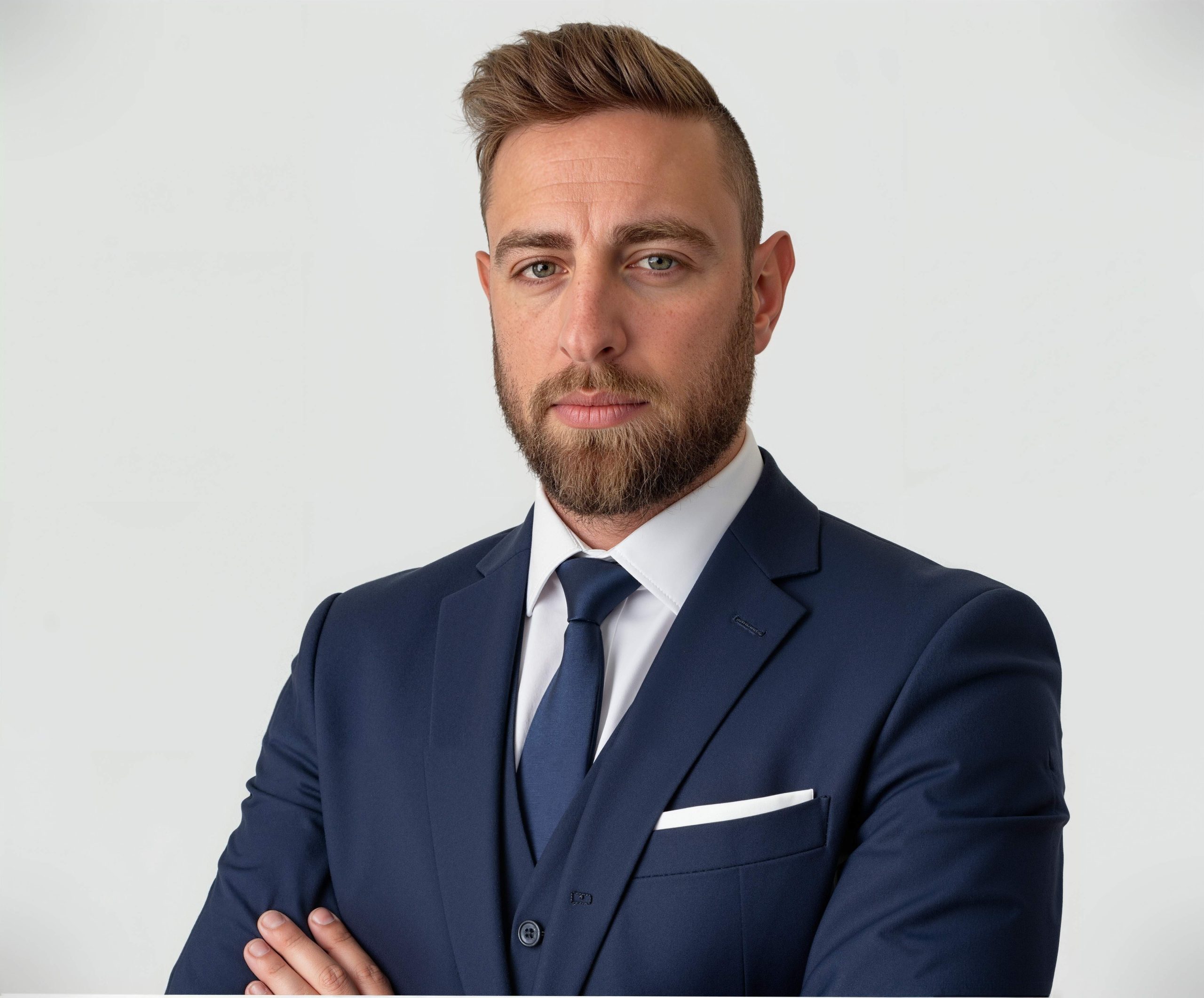
If you are facing felony charges in Nassau County, the grand jury stage is your first — and sometimes your best — opportunity to fight the case. At Hochhauser Criminal & DWI Defense, Richard Hochhauser is a former Nassau County prosecutor who has been on both sides of the grand jury room. He has presented cases to Nassau County grand juries as a prosecutor, and now he uses that same knowledge to defend clients facing indictment. He handles felony criminal defense and DWI defense across Nassau County, Suffolk County, and all of Long Island.
If you or a loved one has been arrested for a felony, contact us immediately for a free consultation. The grand jury clock is ticking, and early action is critical. Call or text (516) 939-1529 — available 24/7. Our office is located directly across from the Nassau County courthouse at 164 Jackson Street in Hempstead.
Our Offices


Garden City, NY 11530
See What Our Clients Are Saying
During what was one of the scariest times of my life, he gave me all of the knowledge and support possible to help me get through it. Not only did I end up getting a great outcome for my case, but Richard helped make it a very smooth process and was always there when I had...

Mr. Hochausser worked hard on my behalf.. so hard that he achieved what seemed impossible. He always communicated with me honestly and earnestly, which is rare in any profession these days. He was prepared and forthright every step of the way. I hope to never need his services...
Best Criminal Attorney in New York. Richard explains each detail slowly and carefully so it’s easily understood. He handles each case as if it’s the most important. Highly recommend!
Best DWI lawyer in New York!
Mr. Hochhauser was incredible. I was consulted immediately after the first call. Richard was easy to keep in touch with and would answer all of my emails, phone calls, and even texts regarding my concerns. Guided me through the whole process, made sure I understood everything...
Richard explained the matters of my case thoroughly and was professional and effective in dealing with the charges I was facing, ultimately getting the docket dismissed in its entirety. I would highly recommend procuring his services.
Was in a bad spot but Richard Hochhauser got me great results on my DWI case in Nassau County. Highly Recommend!!!
Can't thank Richard enough. He went aobve and beyond for me. Never had any issues with the law before and he made sure I had no record. Great Criminal Attorney!!!
Was never really in trouble before. And just googled best criminal attorney near me. Feel so lucky that Richard was the one I called. He really fought for me was very knowledgeable. Highly recommend!!
Call Now to schedule a Free Consultation with Richard Hochhauser
Call or text anytime.